

 Tiếng Việt
 ភាសាខ្មែរ
A float valve is a small device, yet it plays a crucial role in any water supply system. You can find it everywhere—from toilet tanks and rooftop stainless-steel water tanks to underground reservoirs in large facilities. When a float valve fails, problems such as overflowing tanks, pumps running continuously, or tanks running out of water can quickly become a headache.
Interestingly, despite being so common, not everyone truly understands what a float valve is, how it works, or the different types available. So why is this tiny component considered the “gatekeeper” of every storage tank? And more importantly, how can you choose the right float valve for your needs?
In this article, we’ll break down everything about float valves in the simplest way possible—complete with real-world examples, reference price tables, and practical buying tips—so that by the end, you’ll have a solid A–Z understanding of this essential device.
What is a float valve? How does it work?
A float valve is a mechanical device that uses the buoyancy of a float to automatically open or close the water flow.
Basic structure of a float valve
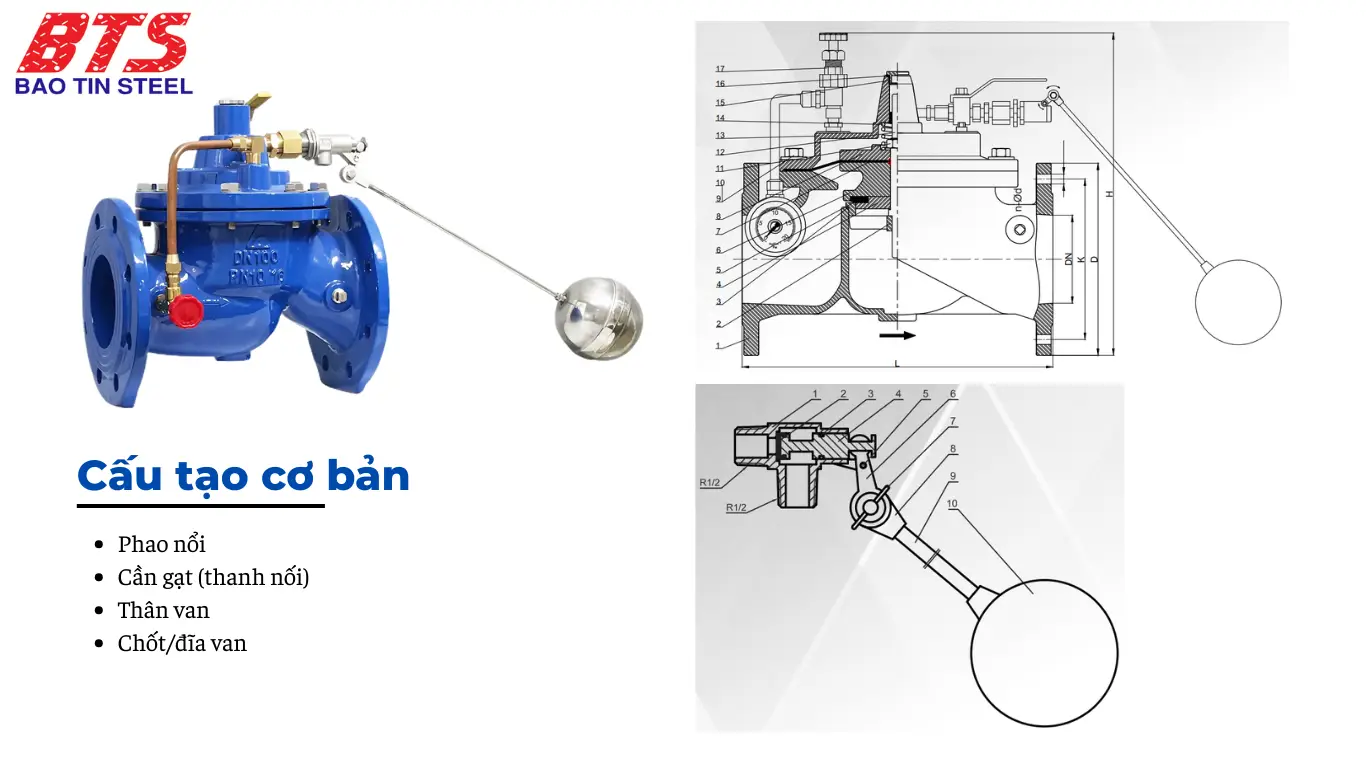
“Looks simple, but it’s not” – a float valve may seem small, but its structure is quite complex. Basically, a float valve usually consists of four main parts:
- Float: Usually a hollow ball made of plastic, stainless steel, or brass. This is the “soul” of the valve, allowing it to sense the water level.
- Lever arm (connecting rod): Connects the float to the valve body and acts as a lever to transmit force.
- Valve body: The part attached to the pipe, housing the mechanism that opens or closes the flow.
- Valve pin/disc: The component that directly contacts the water, closing when the water reaches the desired level and opening when it drops.
In short, a float valve is a combination of a float, + lever + water valve. Small in size but smart enough to control even a water tank holding hundreds of litres.
Operating principle
The mechanism is quite interesting: when the water level in the tank drops, the float lowers as well, pulling the lever to open the valve and allow water in. Conversely, when the tank fills up, the float rises, pushing the lever to close the valve, preventing overflow.
You can think of it like a simple balance scale—on one side is the float, and on the other side is the valve pin. When the tank is low, the valve opens to let water in; when the tank is full, the valve shuts. Everything happens automatically—no electricity, no sensors, and no external intervention needed.
The classic example is your household toilet tank. After flushing, the float drops, opening the valve so water starts flowing in. When the tank is full, the float rises and closes the valve, ready for the next use.
Difference between a Float Valve and a Float Switch – Very Simple, but Often Confused!
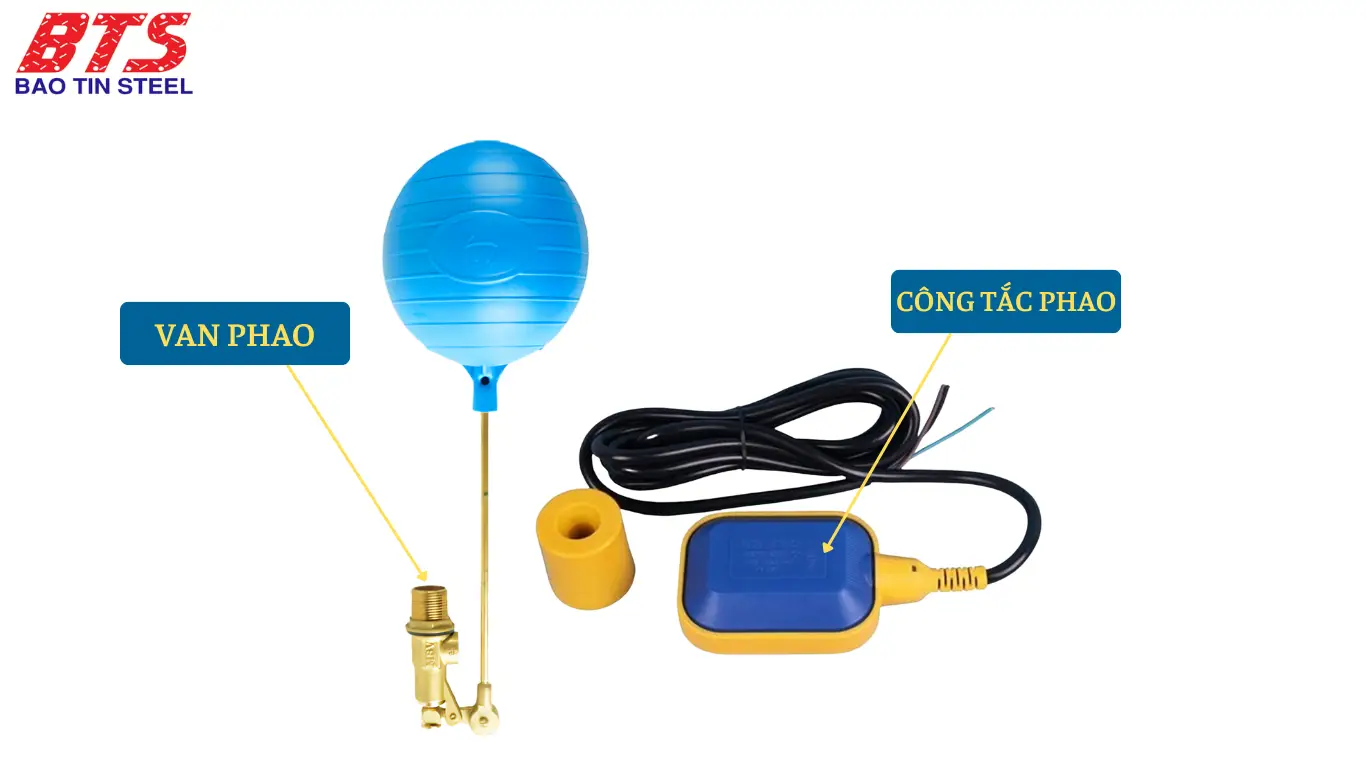
During my research, I noticed that many people often confuse a float valve with a float switch.
So, what’s the difference?
- Float valve: An independent flow control device that opens and closes the valve entirely mechanically, without electricity. It operates passively and adjusts automatically.
- Float switch: A sensor that only turns a circuit ON or OFF based on the float’s position. The signal is then used to control an external device, such as a pump or a solenoid valve.
In short, a float valve is a complete, self-contained solution for controlling water levels, whereas a float switch is just a component of a larger, electrically operated system.
Common Types of Float Valves – When to Use Them
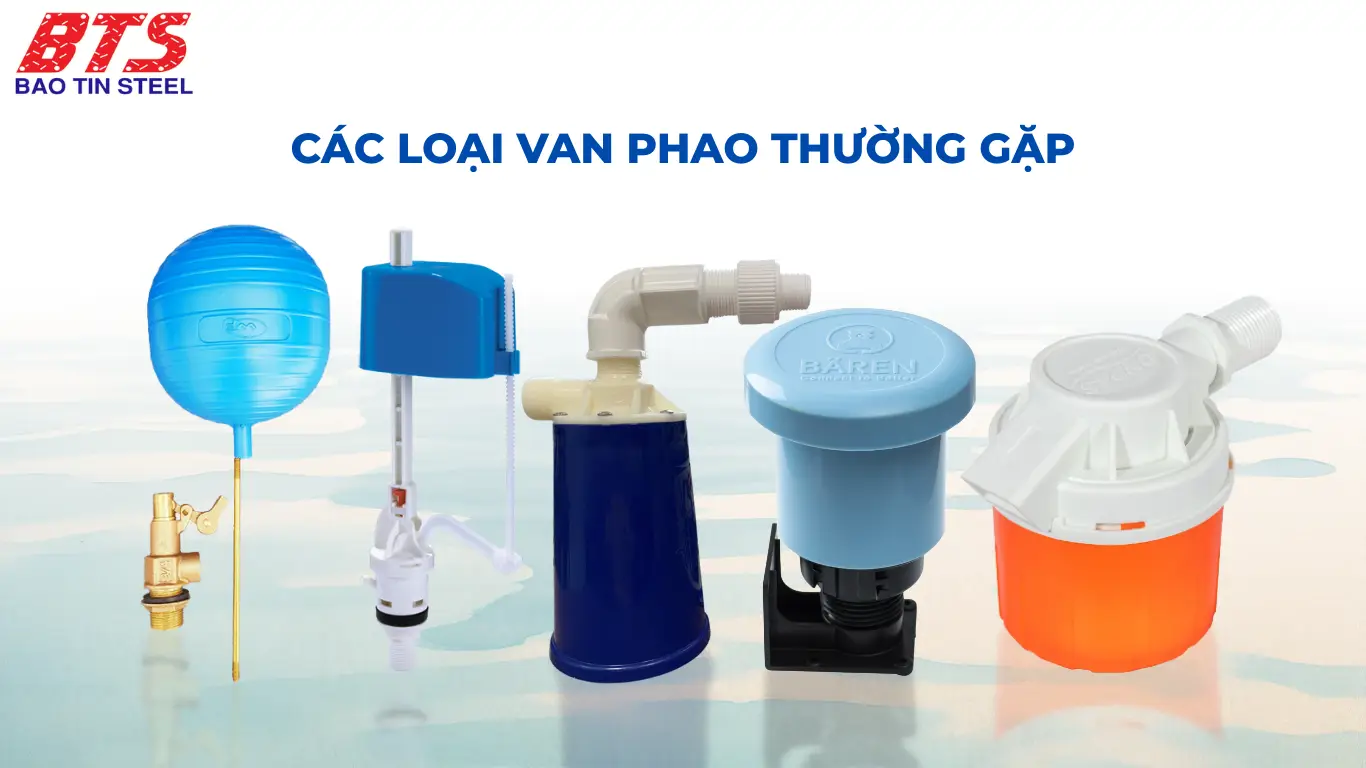
Not all float valves are the same. Depending on your needs and installation location, they are divided into different types. Check which type fits your home or project:
- Water tank float valve: The most common type, often used in stainless-steel tanks, plastic tanks, or underground reservoirs. Advantages: affordable, easy to install, operates quietly, and requires no electricity.
- Toilet float valve: A mini, compact version designed specifically for toilet cisterns. After flushing, the float drops and allows water to refill; once full, it automatically shuts off without any manual intervention.
- Anti-overflow float valve (new generation): An upgraded version of the traditional mechanical valve. It closes more securely and quickly, reducing water leakage. Suitable for large tanks, high-rise buildings, or high-pressure systems.
- Electric/smart float valve: Uses sensors or electrical mechanisms and can integrate with automated systems. In industrial applications or fire protection systems, this type offers precise control and even remote monitoring.
So the question is: which type should you use for your home or project?
For a typical household water tank, a standard mechanical float valve is more than sufficient. However, if you are managing a tank with tens of cubic meters of water or a large water supply system, you should consider an anti-overflow or smart float valve for greater safety and durability.
Stainless steel valve
- Pros: Extremely durable, rust-resistant, heat-resistant, and suitable for high-pressure systems.
- Cons: The most expensive option.
- Typical use: Industrial tanks, fire protection systems, or harsh environments.
Cast iron valve
Pros: Strong, high-pressure resistant, long lifespan, ideal for large systems.
Cons: Heavy, more expensive than brass or plastic.
Typical use: Industrial water tanks, pumping stations, fire protection systems, and large-scale water supply and drainage networks.
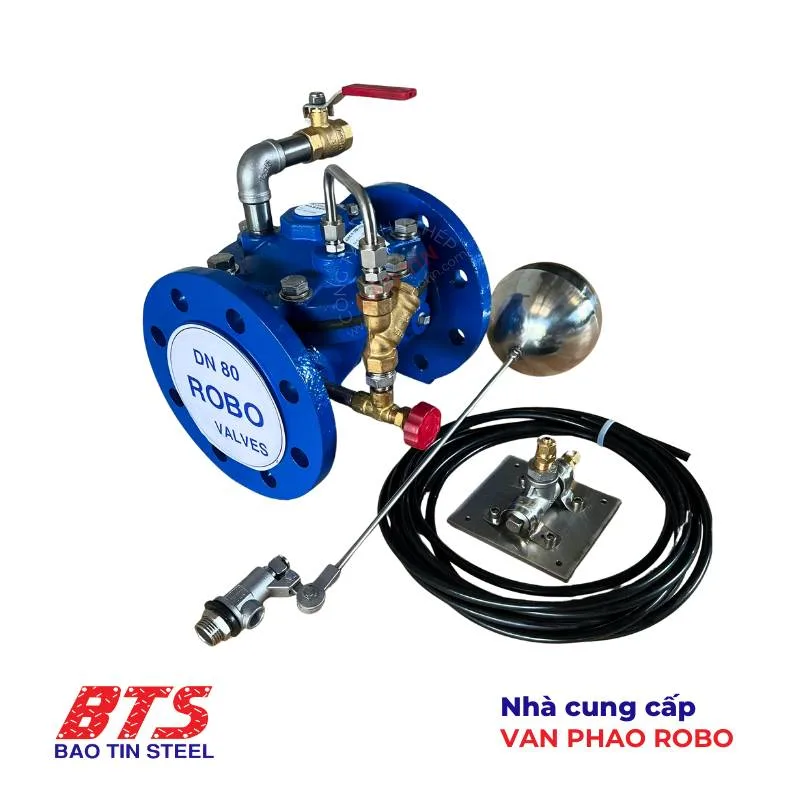
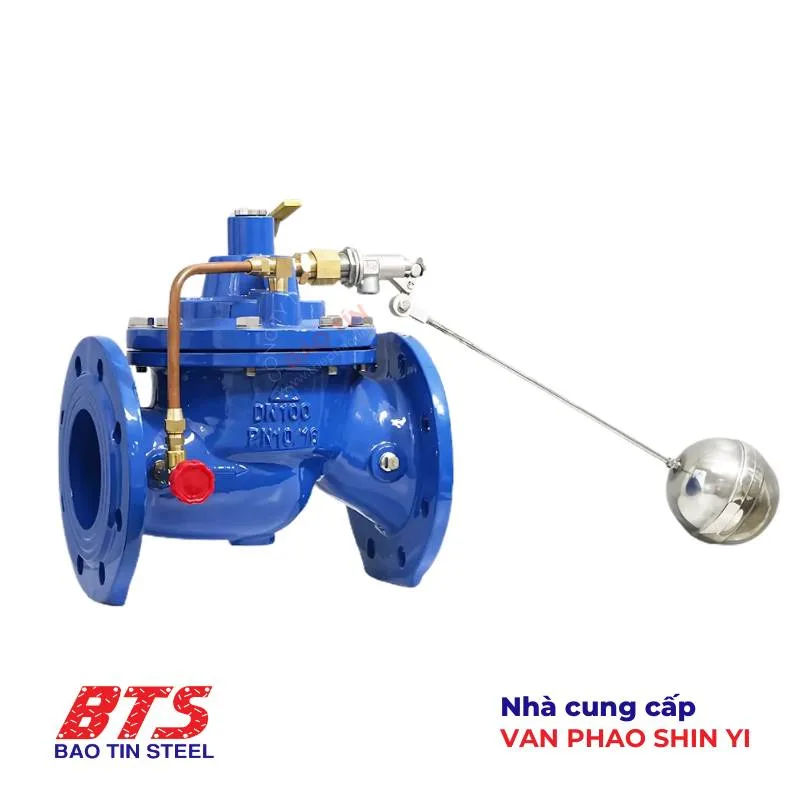
So the answer is: there is no “absolutely best” type—only the one that best fits your needs. If you are installing a float valve for a household water tank, a mechanical plastic or brass model is more than sufficient. But for large projects or underground tanks holding tens of cubic meters of water, stainless steel or cast iron is the option that truly delivers the best value for your investment.
Practical Applications – Where Do Float Valves Appear?
Don’t think they’re only found in toilets or household water tanks. Float valves actually appear in many places around us. You might encounter them almost everywhere without even noticing.
In households
- Toilets: Controls the refill of water after flushing.
- Stainless-steel/plastic tanks: Automatically open or close when the tank is full or empty.
- Underground tanks: Ensure the home always has a steady water supply.
In industry
- Water treatment systems: Maintain stable water levels in storage tanks.
- Manufacturing plants: Regulate water, oil, or chemicals in large tanks.
- Fire protection systems: Maintain reserve water levels in firefighting reservoirs.
In agriculture
- Fish ponds and irrigation reservoirs: Help keep water levels stable.
- Irrigation systems: Provide a consistent water supply and prevent wastage.
Advantages & Economic Benefits of Using Float Valves

If you wonder why float valves are popular from household systems to large-scale projects, the answer lies in the benefits they offer. It’s truly a “small but powerful” device:
- Water-saving and waste prevention: Thanks to its automatic open/close mechanism, a float valve prevents overflow and unnecessary water loss. Your monthly water bill will definitely be more manageable.
- Protects pumps and pipelines: When the water level drops, the float lowers and opens the valve, allowing the pump to run at the right time. When the tank is full, the valve closes promptly, preventing the pump from running dry or overloading.
- No electricity needed, low maintenance: Mechanical float valves run entirely on physical mechanisms, independent of electricity. This is especially beneficial in areas with frequent outages or in outdoor systems.
- Low investment, long-term efficiency: A typical household float valve is inexpensive, yet its savings and protective benefits are invaluable. With cast-iron and stainless-steel models, the high durability significantly reduces replacement and maintenance costs.
In short, with the right float valve, you can save costs while ensuring your water supply system operates safely and reliably.
Latest Float Valve Prices for 2025 (Reference)
One thing many people are curious about is: “So, how much does a float valve cost today?”
In reality, the price varies depending on size, material, and brand. To give you a clearer picture, here is a reference price list updated for 2025:
| Valve Type | Common Sizes | Reference Price (VND) | Applications |
|---|---|---|---|
| Plastic mechanical float valve | DN15 – DN25 | 50,000 – 120,000 | Plastic water tanks, small household reservoirs |
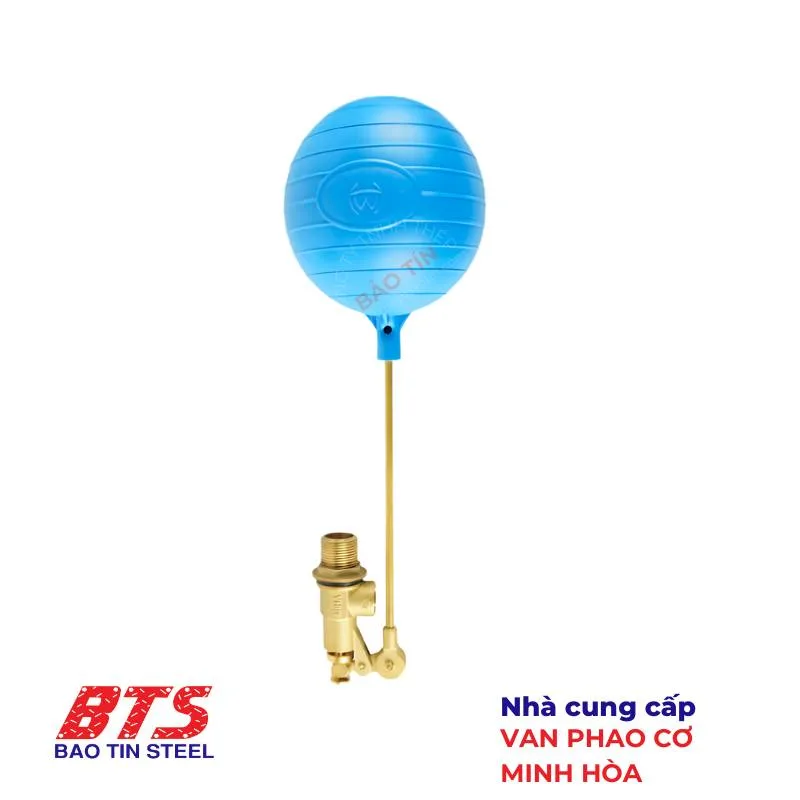
| Brass valve (Minh Hòa) | DN15 – DN50 | 150,000 – 450,000 | Stainless-steel tanks, underground tanks, and domestic water systems |
| Stainless steel valve | DN20 – DN100 | 350,000 – 1,500,000 | High-pressure systems, harsh environments |
| Cast iron valve (ROBO, Shin Yi) | DN50 – DN200 | 1,000,000 – 4,500,000 | Industrial water tanks, fire protection systems, and pumping stations |
| Electric/smart float valve | DN15 – DN100 | 800,000 – 3,000,000 | Automated systems, remote monitoring |
Note:
- These prices are for reference only and may vary depending on timing, supplier, and order quantity.
- For large projects or construction works, you should contact suppliers directly to get detailed quotations and better discounts.
Overall, with prices ranging from just a few tens of thousands to several million VND, you can easily find a float valve that fits your needs—from household water tanks to industrial systems.
New Trend: Smart & IoT Float Valves
While traditional float valves were simply a floating ball with a lever, modern technology has taken them to a whole new level—introducing smart float valves.

How Are Smart Float Valves Different from Traditional Mechanical Ones?
- Instead of just mechanically opening and closing, smart float valves can integrate electronic sensors to measure water levels accurately.
- They can connect to the IoT (Internet of Things), allowing you to monitor water levels directly from your phone or computer.
- Some high-end models even let you set custom low and high water levels, reducing the number of open/close cycles and extending the system’s lifespan.
For example, imagine you have an underground tank supplying water for an entire building. With a traditional mechanical float valve, you only know when the tank is full (valve closes) or empty (valve opens). But with a smart float valve, you can receive alerts when the tank is at 30% capacity, control the pump remotely, or even view daily/weekly water level reports to optimise operations.
In short, smart float valves and IoT are becoming an essential trend in modern water management. They don’t completely replace mechanical valves; instead, they often work together: mechanical components ensure safety, while electronic features provide accuracy and convenience.
Tips for Choosing the Right Float Valve
Choosing a float valve may seem simple, but it’s not as easy as it looks. Buying the wrong one can lead to quick wear, water leaks, or a valve that doesn’t meet your needs. To avoid wasting money and causing trouble, here are some practical tips:
Determine Your Usage Needs
- Toilets, small water tanks: Choose a mechanical float valve (plastic or brass).
- Underground tanks, household stainless-steel tanks: Opt for brass or stainless steel for better durability.
- Large projects, fire protection systems (PCCC): Use cast iron or stainless steel valves capable of handling high pressure.
Choose the Right Size
Float valves come in DN15, DN20, DN50, DN100, etc. Choosing too small a size may not provide sufficient flow, while choosing too large is wasteful. Select based on the tank’s or reservoir’s capacity.
Consider the Material
- Plastic: Cheap but degrades quickly.
- Brass: Durable for household water use.
- Stainless steel: Excellent rust resistance.
- Cast iron: Ideal for large-scale systems.
Pay Attention to the Brand
- Household use: Minh Hòa (brass) is popular and easy to find.
- Industrial use: ROBO, Shin Yi (cast iron) are reputable brands, commonly used in water supply and fire protection systems.
Buy from a Reliable Source
Avoid cheap options from markets or small shops, as fake or low-quality products are common. Purchase from official distributors to ensure warranty and proper guidance.
Buy Genuine Float Valves at Bao Tin Steel
By now, you probably have a comprehensive understanding of float valves—from their structure and operation to applications and pricing. The remaining step is simply choosing the right product that fits your actual needs.
If you need a reliable source, Bao Tin Steel is ready and happy to assist you.
- We offer Minh Hòa brass float valves for household use and ROBO and Shin Yi cast iron valves for large-scale projects.
- We guarantee genuine products with clear origins and transparent pricing.
- Our team is always ready to provide advice and share expertise to help you choose the most suitable product.
You can contact us at any time to receive a detailed quotation or further consultation.
Bao Tin Steel doesn’t just sell products—we aim to be a trusted partner, helping your projects operate safely and efficiently.