

 Tiếng Việt
 ភាសាខ្មែរ
Gate valves are commonly used in most piping systems, from residential to industrial applications. They regulate flow, open and close fluid lines, and help ensure stable system operation. However, not all gate valves are the same. Stainless steel, cast iron, and brass gate valves each come with their own characteristics. They also differ in durability, cost, and application suitability. Choosing the right material not only reduces expenses but also extends the lifespan of the entire system.
In this article, we will explore the features of each type of gate valve and compare their material differences. If you’re unsure which valve is best for your system, this guide will help you make an informed decision.
Overview of Stainless Steel – Cast Iron – Brass Gate Valves
Below are the definitions and characteristics of each type of gate valve.
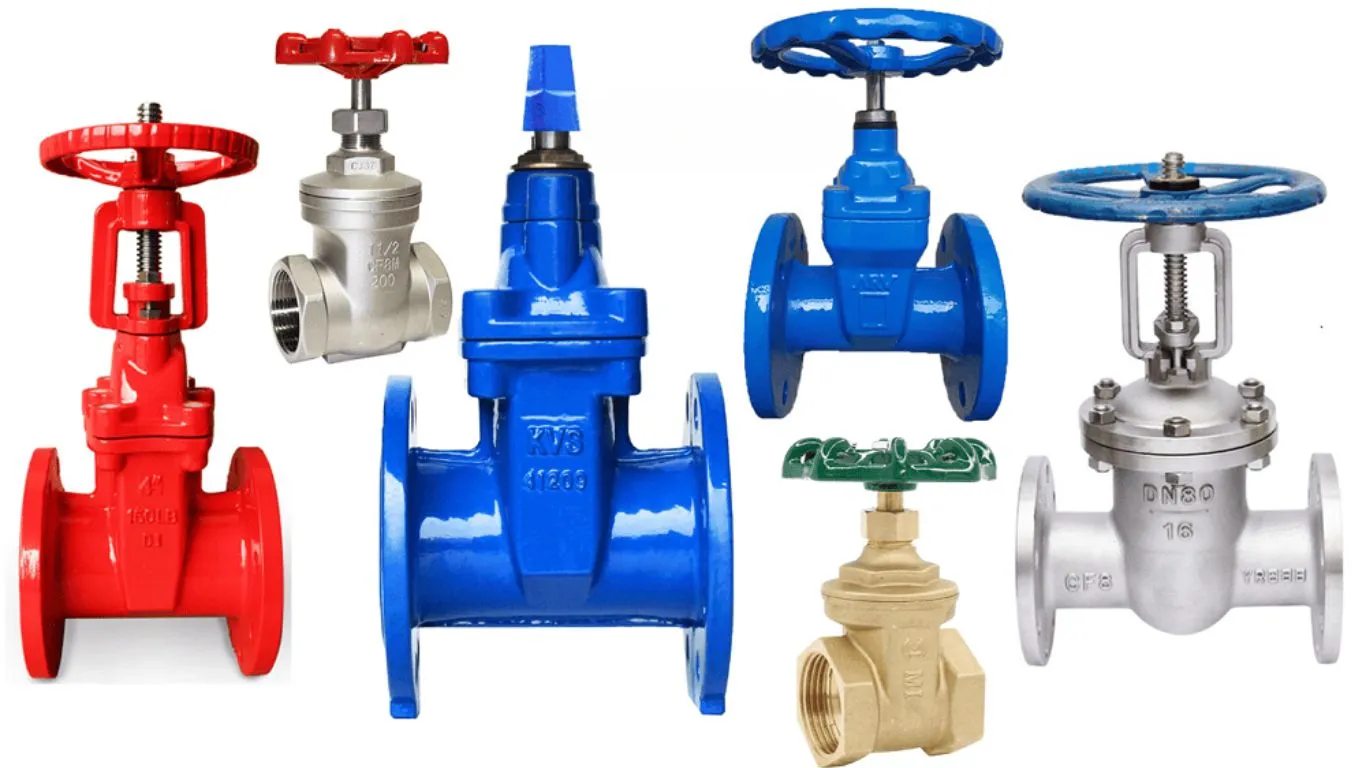
What Is a Stainless Steel Gate Valve?
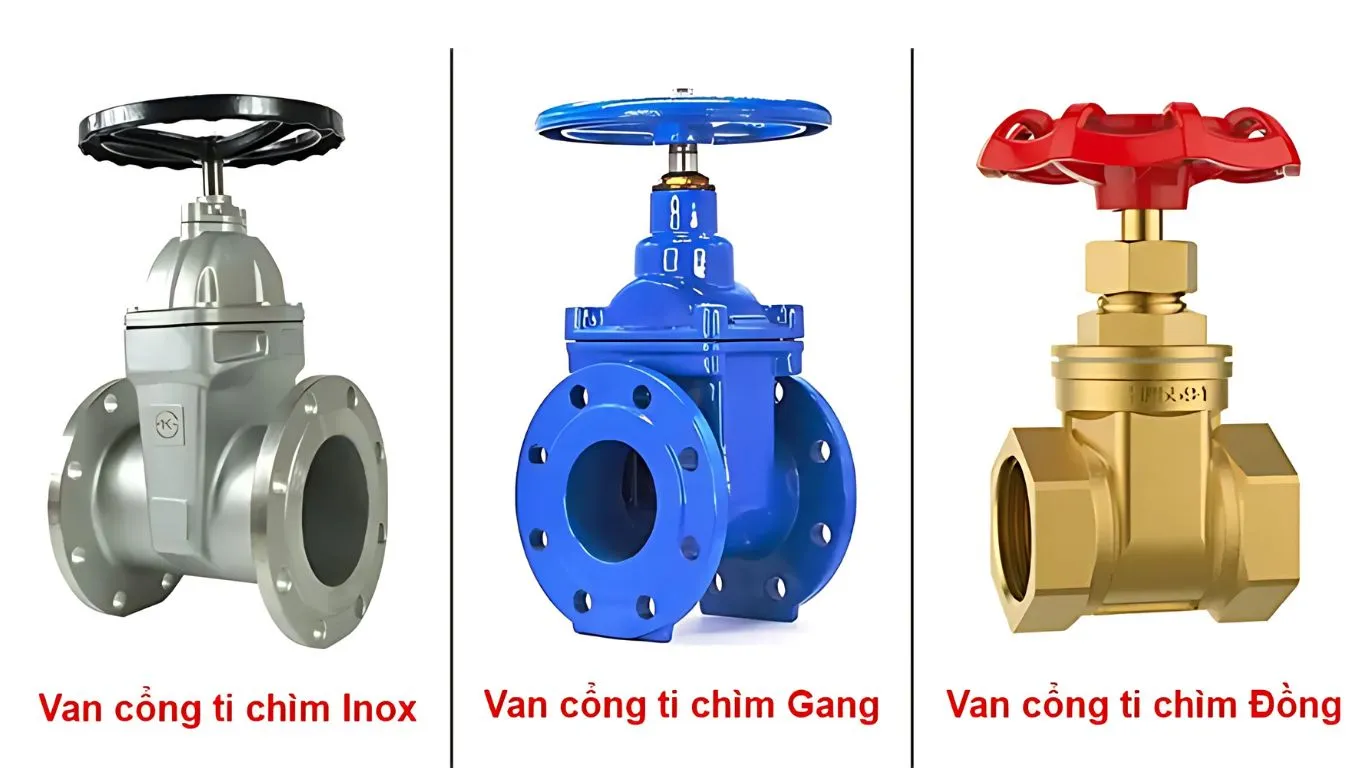
Stainless steel gate valves are manufactured from corrosion-resistant stainless steel grades such as 201, 304, and 316. These valves stand out for their excellent corrosion resistance, high temperature tolerance, and ability to withstand high pressure. Thanks to these advantages, stainless steel valves operate reliably even in harsh environments.
However, stainless steel gate valves are more expensive than cast iron or brass options. They are commonly used in applications requiring high safety and cleanliness standards, such as chemical processing, food and beverage production, pharmaceuticals, steam systems, oil and gas pipelines, and marine or coastal environments.
👉👉Check out Wonil stainless steel gate valves at Bao Tin Steel
What Is a Cast Iron Gate Valve?
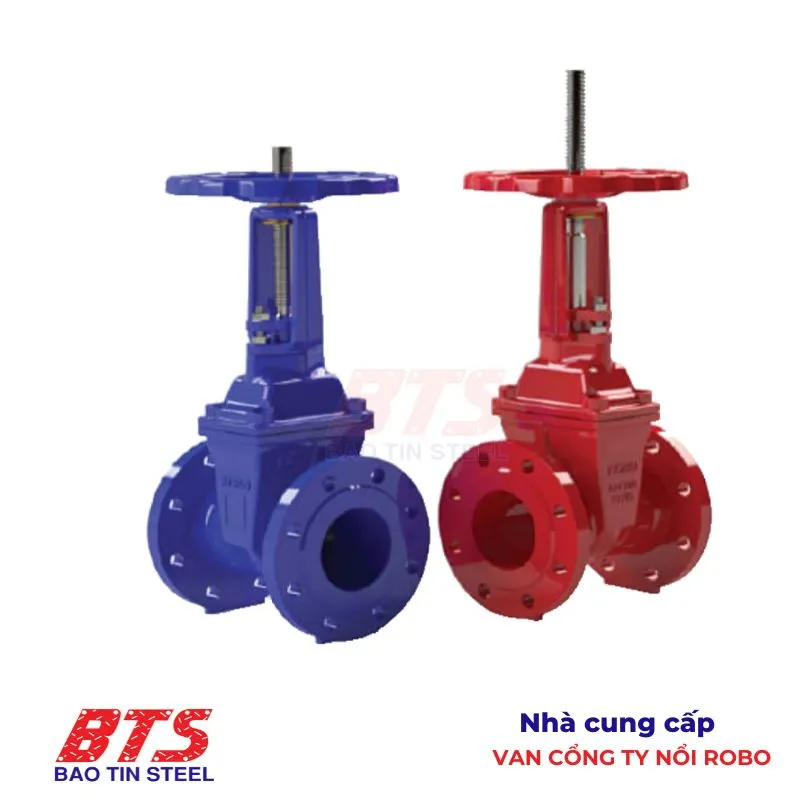
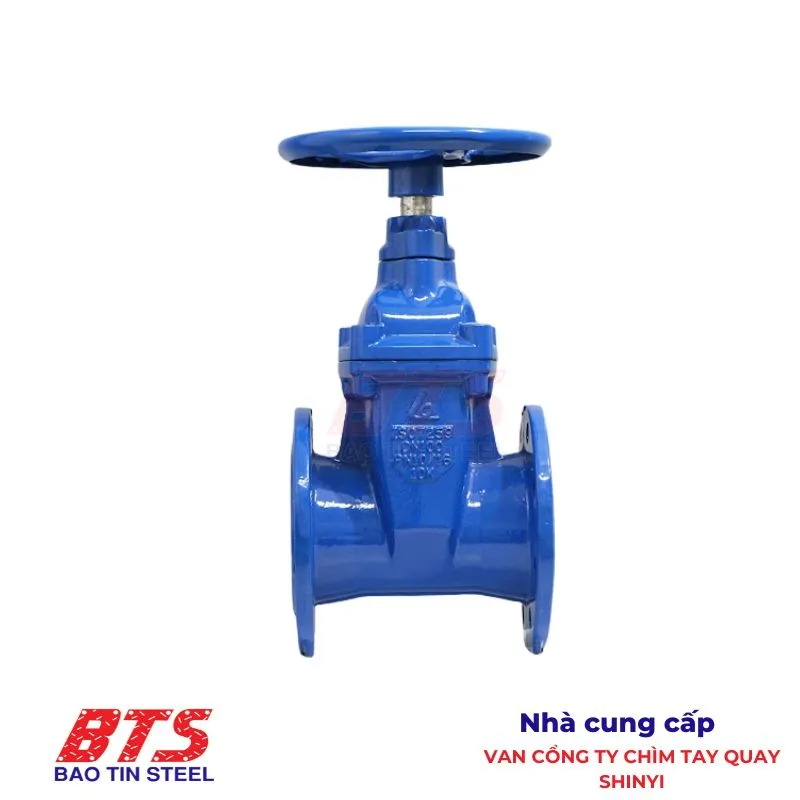
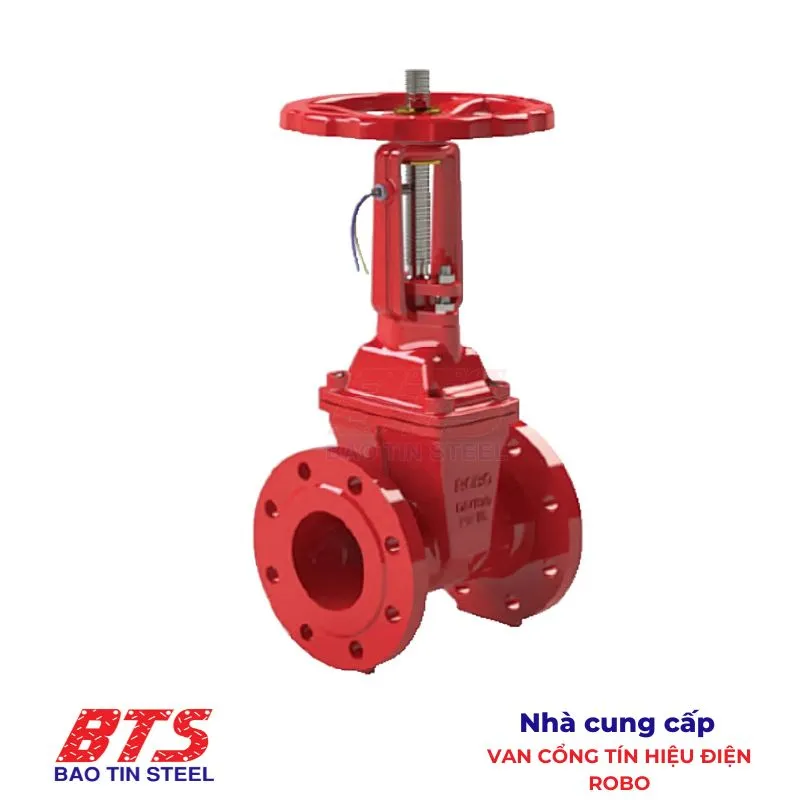
Cast iron gate valves are typically produced from grey iron or ductile iron and coated with epoxy to enhance corrosion resistance. These valves are heavy, highly durable, and withstand high temperatures, making them suitable for large-scale piping systems.
Cast iron gate valves are more affordable than stainless steel but are prone to brittle failure under strong impact and are unsuitable for corrosive chemical environments. They are widely used in water supply and drainage systems, wastewater treatment plants, and fire protection systems in industrial zones and high-rise buildings.
👉👉 Explore top cast iron valve models at BTS:
What Is a Brass Gate Valve?
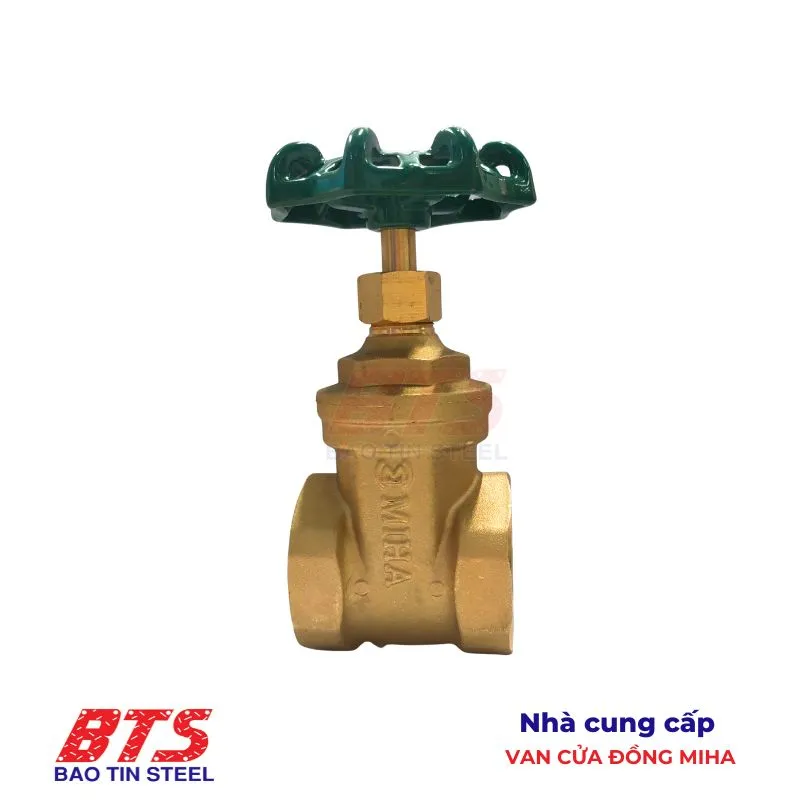
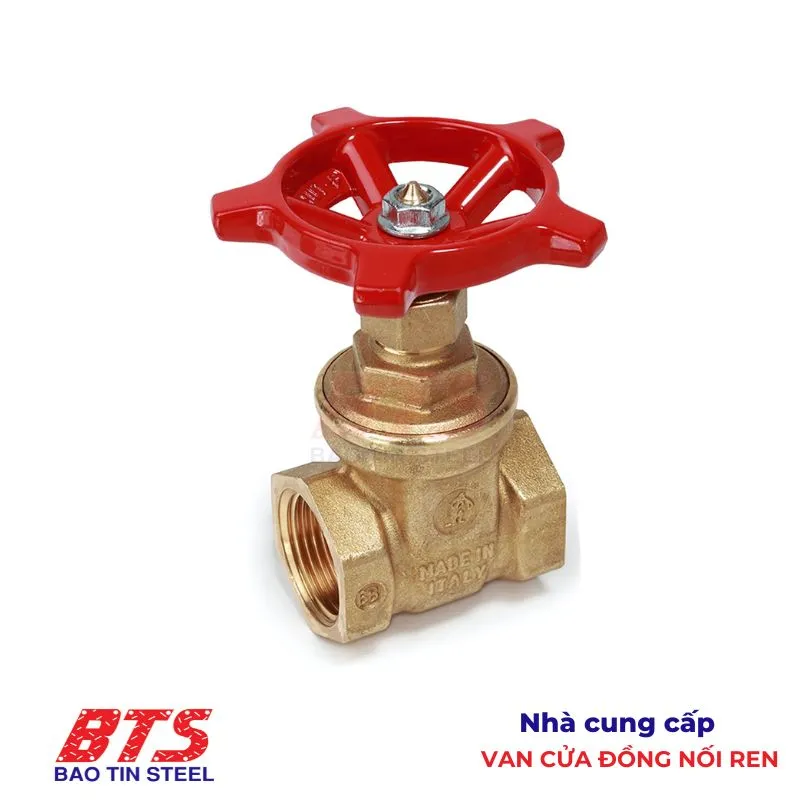
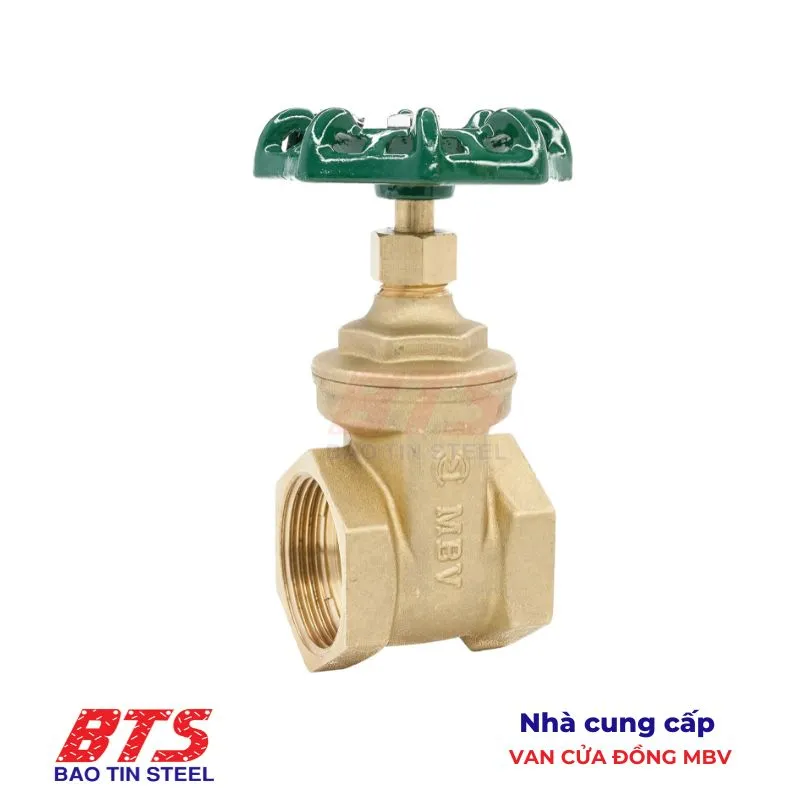
Brass gate valves are made from brass and are commonly available in small sizes ranging from DN15 to DN50. Their primary connection type is threaded, allowing convenient installation and removal. These valves are compact, durable in clean-water environments, easy to install, and cost-effective, making them popular for small-scale projects.
The main limitation is that they are not suitable for large-diameter pipelines or high-pressure conditions. Therefore, brass gate valves are mostly used in domestic water systems, apartment buildings, residential projects, and small- to medium-pressure pipelines.
👉👉 Explore the most popular brass gate valves on the market:
Comparison Table: Stainless Steel vs. Cast Iron vs. Brass Gate Valves
Which type should you choose?
| Criteria | Brass Gate Valve | Cast Iron Gate Valve | Stainless Steel Gate Valve |
|---|---|---|---|
| Material | Brass | Grey iron, ductile iron (epoxy coating) | Stainless steel 201, 304, 316 |
| Common sizes | Small, DN15–DN50 | Medium to large, DN50–DN600 | Wide range, DN15–DN600 |
| Connection type | Mostly threaded | Mostly flanged, some threaded | Threaded, flanged, welded |
| Durability | Good in clean water | High mechanical strength but brittle under impact | Outstanding durability, corrosion resistance, high temperature & pressure tolerance |
| Pressure capacity | Moderate, suitable for low–medium pressure | Handles high pressure and flow rates | Very high, suitable for harsh environments |
| Cost | Low | Moderate, suitable for infrastructure projects | Highest among the three |
| Main advantages | Compact, easy installation, low cost | Affordable, widely used, strong under pressure | Long lifespan, corrosion-resistant, suitable for special media |
| Main disadvantages | Not for large pipes or high pressure | Not suited for corrosive media, brittle under strong impact | Higher upfront investment |
| Suitable applications | Domestic water, apartments, small projects | Water supply/drainage, wastewater treatment, fire protection, infrastructure | Chemical, food, pharmaceutical industries; oil & gas; marine environments |
Conclusion
Each type of gate valve has its own strengths:
- Stainless steel valves provide exceptional durability in harsh environments.
- Cast iron valves are economical and widely used for infrastructure systems.
- Brass valves are compact and ideal for residential and small-scale applications.
Selecting the right material based on your operating environment and system requirements ensures efficient, safe, and cost-effective long-term performance.
If you’re looking for genuine stainless steel, cast iron, or brass gate valves, contact Thép Bảo Tín for tailored recommendations and a detailed quotation for your project.