

 Tiếng Việt
 ភាសាខ្មែរ
What is steel structure fabrication? Classification? Standards? Construction process?
In many current construction projects, steel structure fabrication is considered one of the most risk-prone stages, although it is often overlooked. In practice, many projects experience issues such as dimensional deviations, welds failing to meet requirements, warped components, or assemblies that cannot be erected properly. The main causes are improper fabrication procedures, the use of unsuitable steel materials, or a lack of quality control right from the fabrication shop.
Steel structure fabrication is not merely cutting and welding steel according to drawings; it is a process involving calculation and execution that directly affects the load-bearing capacity and overall safety of the entire structure. Therefore, a proper understanding of steel structure fabrication—ranging from materials used and applicable standards to execution procedures—is a mandatory requirement for both investors and contractors.
What is a steel structure?
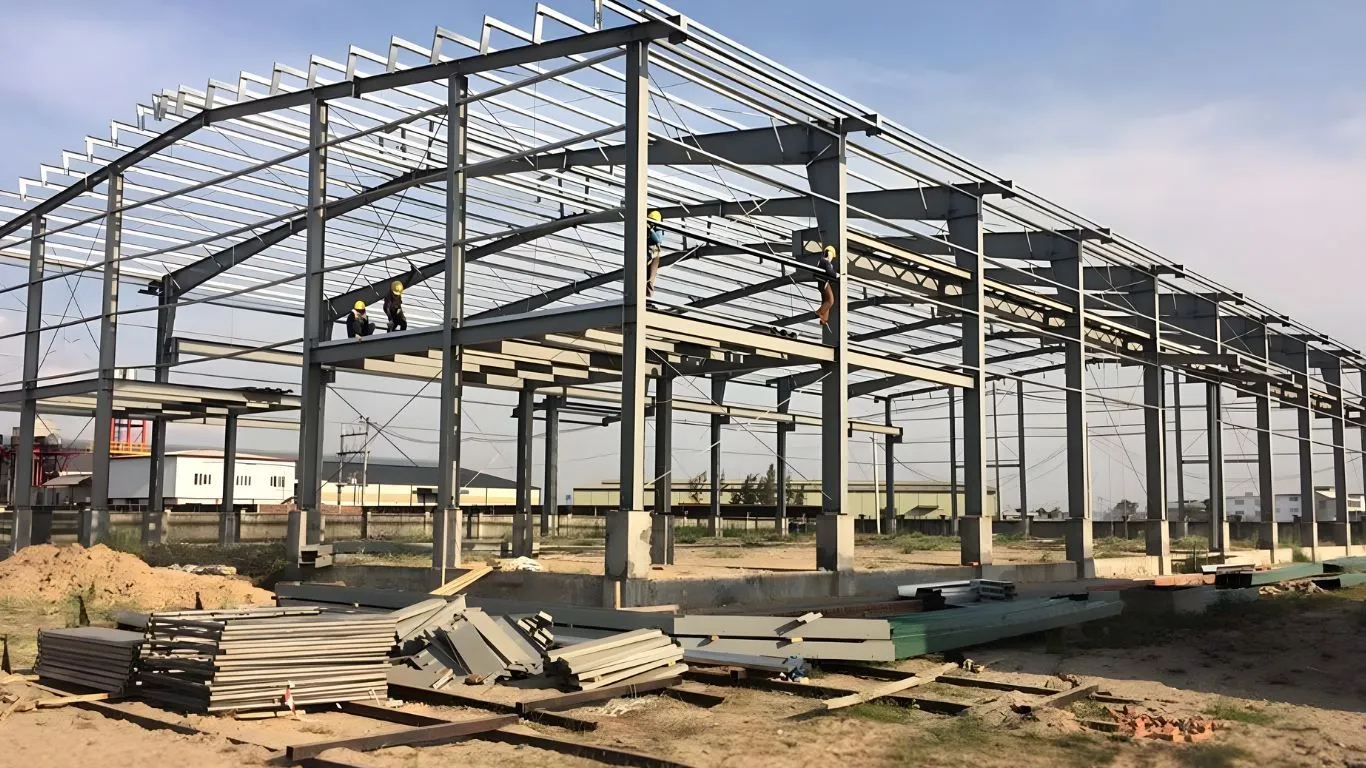
A steel structure is the load-bearing system of a building, made of structural steel and connections such as welding, bolts, or rivets. Its function is to receive, distribute, and transfer loads (including dead loads, live loads, wind loads, earthquakes, etc.) safely down to the foundation of the structure.
Steel structures include steel columns, steel beams, purlins, bracing, and connecting materials (base plates, high-strength bolts, welds). Steel structures are not a finishing material, but a skeletal frame that determines the strength, service life, and overall performance of the entire building.
Steel structure fabrication is the process of manufacturing load-bearing steel components (columns, beams, trusses, bracing, base plates, etc.) according to design drawings and technical standards, in order to create a complete structural system ready for erection and on-site construction.
Common types of steel structures today
Below are the most common types of steel structures today, classified according to structural load-bearing systems and usage purposes:
Steel frame structure
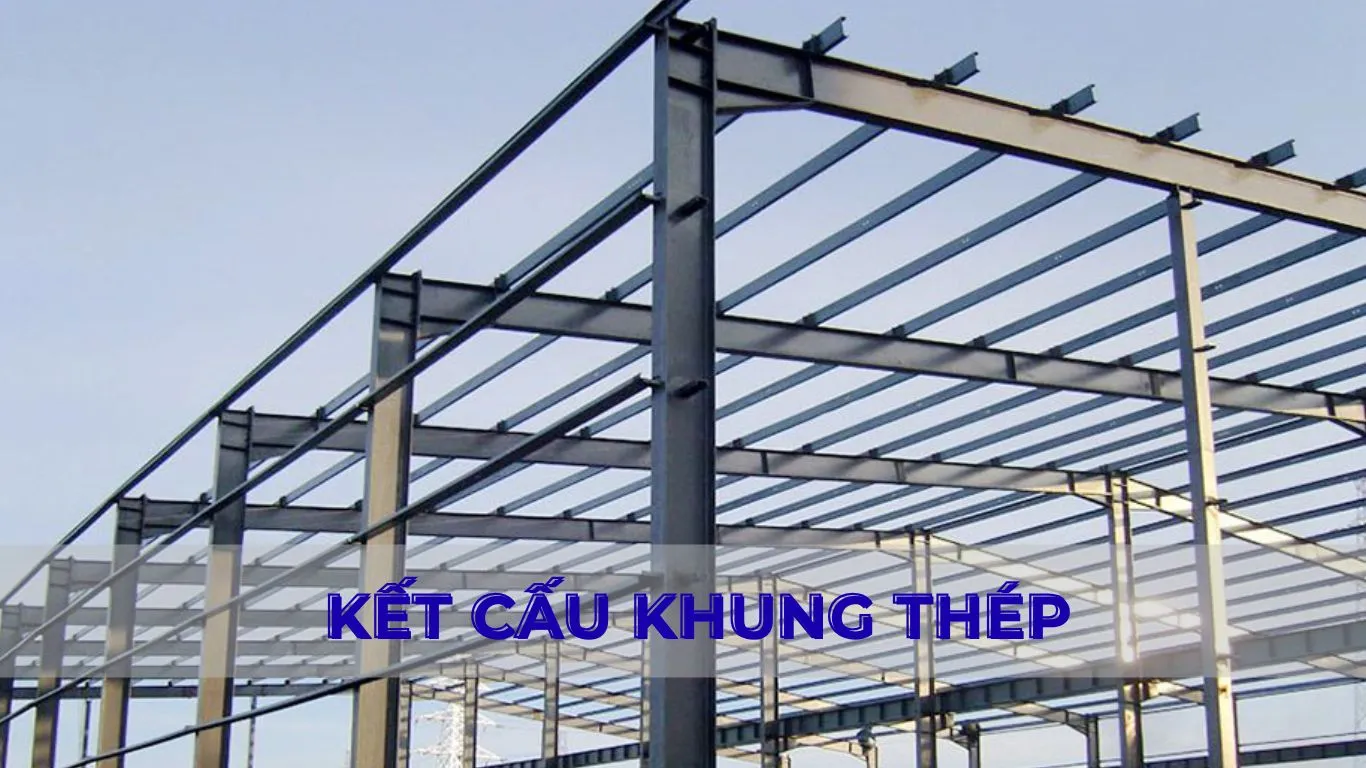
This is the most common type in civil and light industrial construction. The frame system consists of columns and beams rigidly connected. The frame resists loads by transferring them from slabs and roofs to beams, then through columns down to the foundation. This structural type allows for fast construction and maximizes usable floor space.
Applications: High-rise buildings, offices, hotels, or residential pre-engineered buildings.
Steel truss structure
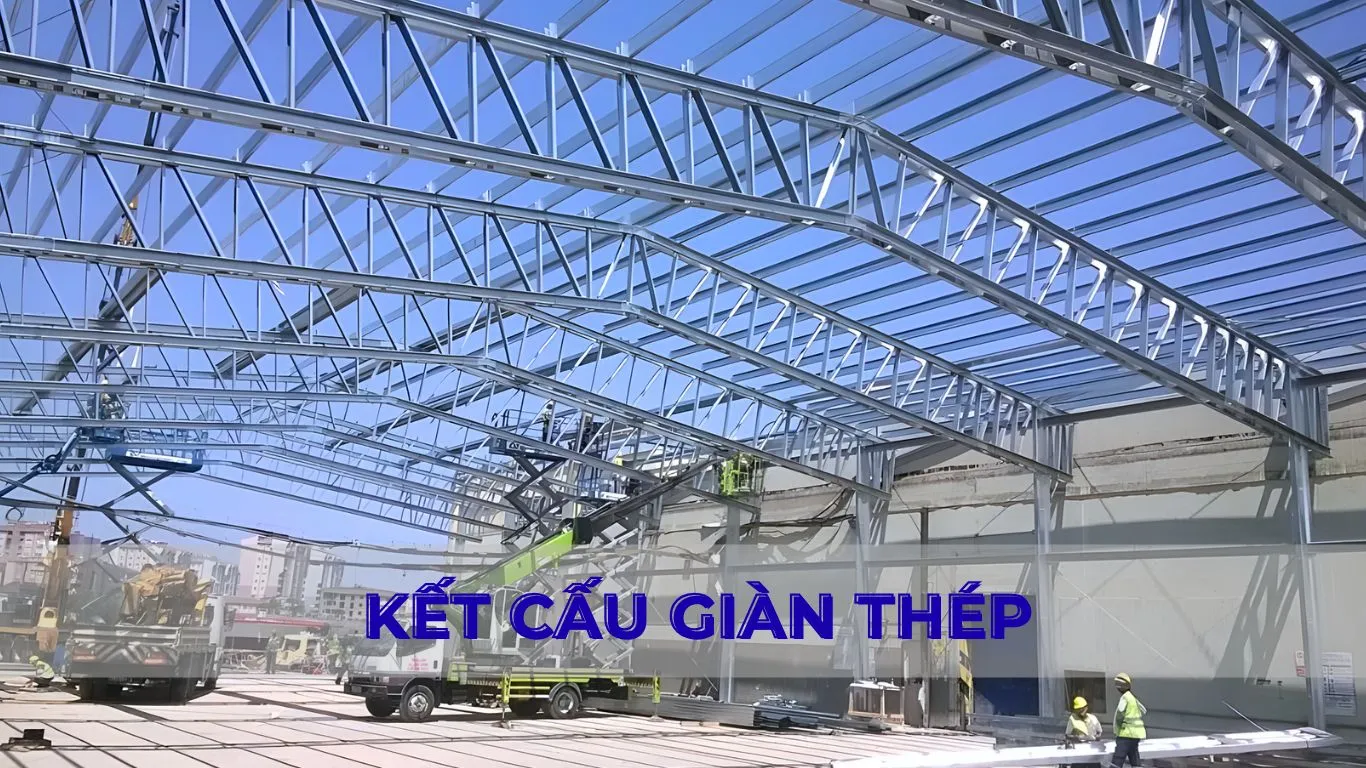
When you need a large space without interior columns (long spans), a truss structure is the number one choice. This structure consists of steel members (angle steel, tubular steel) connected to form triangular units. This makes the truss extremely lightweight while still capable of carrying very large loads.
Applications: Industrial factory roofs, stadiums, sports halls, and road bridges.
Arch structure
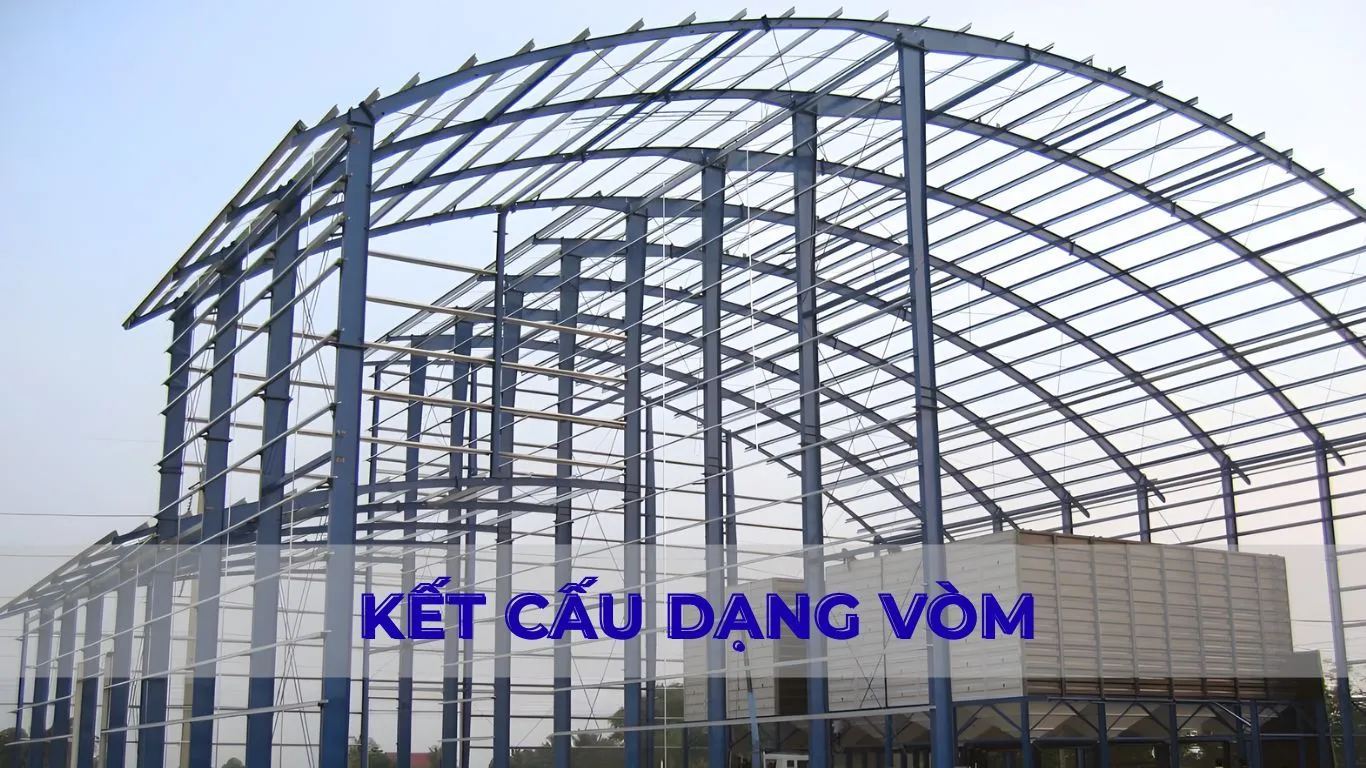
Arch structures transfer loads differently from straight beams; instead of bending, the arch converts most of the load into compressive forces along its curved shape, allowing the structure to span very large spaces without intermediate supports.
Applications: Airport terminals, stadium roofs, and exhibition halls with distinctive architectural designs.
Suspension and cable structures
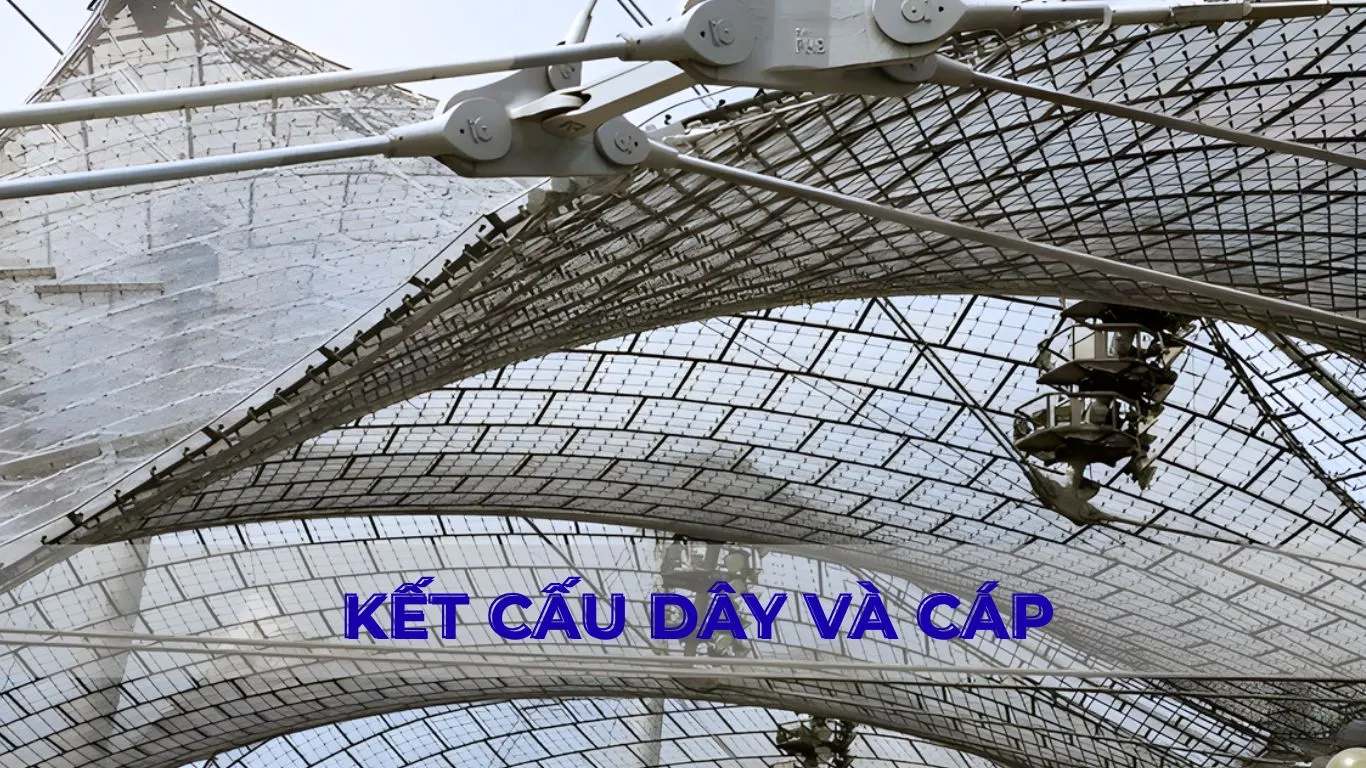
A special type of load-bearing structure in which steel wires or steel cables act as the primary structural elements, working mainly in tension rather than compression or bending like traditional beams and columns. Unlike steel frame or truss structures, this system does not transfer loads through solid cross-sections but through tensile forces in cables. The loads are then distributed to anchorage points, towers, or foundations. This is the type of structure capable of achieving the longest spans available today.
Applications: Cable-stayed bridges, suspension bridges, and cable-net dome roofs for theaters.
Common steel structure standards today
In practice, steel structures are not governed by a single standard, but by a comprehensive system of standards covering design, fabrication, and erection. The proper and consistent application of these standards is a key factor determining the safety, quality, and service life of the structure.
Steel structure design standards
- Load-bearing capacity of steel members
- Overall stability and local stability
- Detailing requirements to ensure long-term safe performance
For projects involving foreign elements, especially FDI projects, international standards are often applied in parallel or used as replacements, depending on the requirements of the investor and design consultant. Among them:
- AISC Standard (United States) is widely used due to its comprehensive guidance for both major design approaches: Load and Resistance Factor Design (LRFD) and Allowable Strength Design (ASD).
- Eurocode 3 (Europe) is highly regarded for its safety level and detailed provisions, and is commonly applied in projects funded by European investors.
- JIS (Japan) and BS (British Standards) are often used in projects involving contractors, consultants, or equipment imported from Japan and the United Kingdom.
Selecting the design standard from the outset directly determines the materials used, fabrication methods, and erection requirements; therefore, it cannot be arbitrarily changed during project implementation.
Steel structure fabrication standards
If the design standard is the “drawing on paper,” then steel structure fabrication standards are what turn the design into a real physical product. This is also the stage most prone to errors if it is not strictly controlled. Specifically:
- Input materials must have full certification of origin and be verified for mechanical properties such as yield strength, tensile strength, and elongation.
- Fabrication technology must ensure high precision, where modern methods such as CNC cutting, automatic drilling, and robotic beam welding help reduce errors, improve consistency, and stabilize quality.
- Welds must meet technical requirements and be inspected using non-destructive testing methods such as ultrasonic testing and magnetic particle testing to detect internal defects.
- Steel structure surface treatment using shot blasting and protective coatings (epoxy, polyurethane, etc.) must follow proper standards to enhance corrosion resistance and service life.
In practice, many construction projects encounter difficulties during erection not due to design errors, but because fabrication does not meet tolerances or fails to fully comply with standards. This leads to on-site modifications, increasing costs and extending the project schedule.
Steel structure erection standards at construction sites
After the components are fully fabricated, on-site erection is the final stage that determines whether the steel structure performs as designed in calculations. Details:
- Installation must follow the correct technical sequence, ensuring structural stability throughout the construction process and avoiding temporary instability that could lead to safety risks.
- Anchor bolt connections must be fully inspected for position, embedment depth, and tightening torque, using specialized measuring equipment to ensure compliance with design requirements.
- All bolted and welded connections on site must be inspected and approved before proceeding to the next construction stage.
- The construction team must be trained in occupational safety, supervised by on-site technical personnel, and fully equipped with personal protective equipment.
It can be seen that no matter how well the steel components are fabricated, if erection is not carried out in accordance with standards, the steel structure still faces significant risks in terms of safety and service life.
Steel structure construction process
Steel structure fabrication is a highly specialized technical process that transforms raw steel into load-bearing components that meet design requirements, dimensions, and quality standards. This ensures fast, accurate, and safe erection on-site.
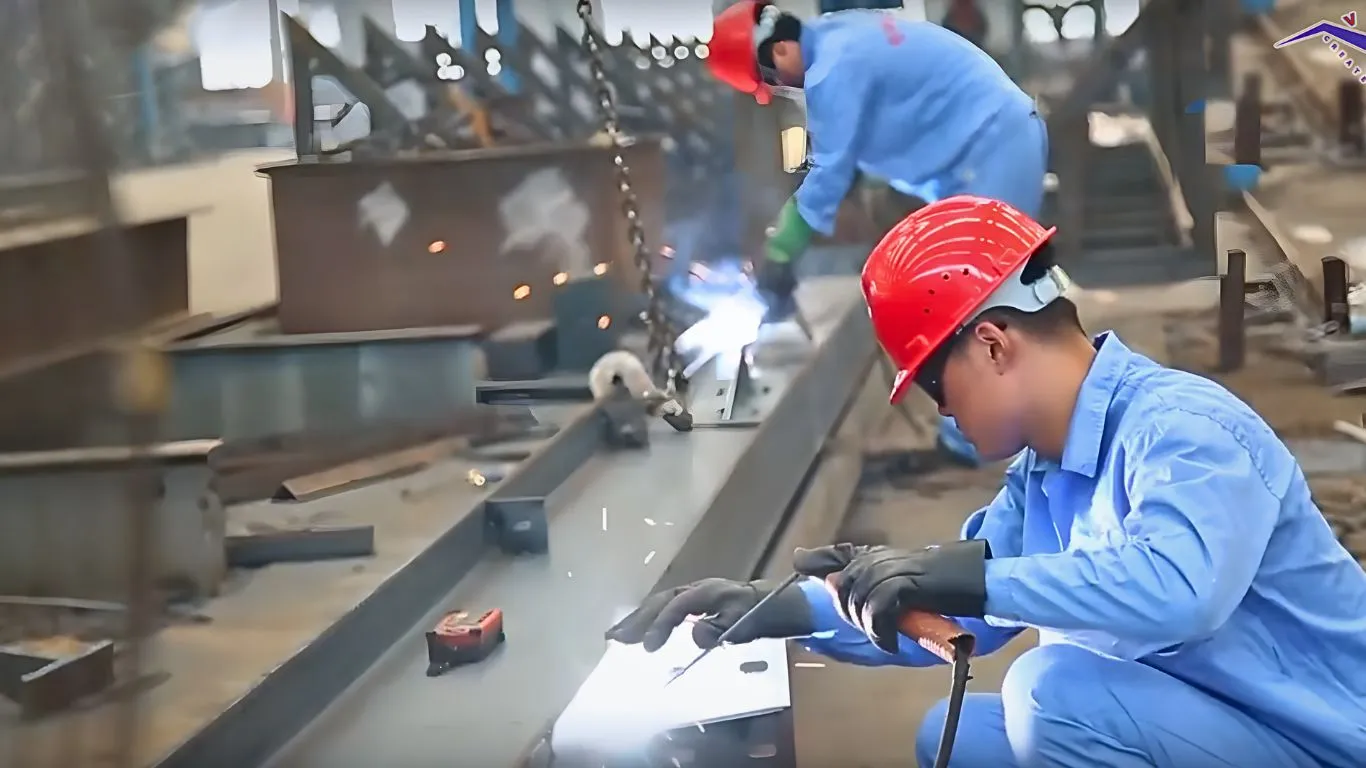
Step 1: Inspection of incoming materials
Before materials are released into production, every batch of steel must be strictly inspected for:
- Quality documents and certificates of origin
- Verification of actual specifications against design requirements and applicable standards
This ensures that the steel used in the fabrication of structural components fully meets the required mechanical properties and technical standards before being released for production.
Step 2: Cutting/steel processing according to drawings
Steel plates or structural steel sections are precisely cut to the dimensions and shapes specified in the technical drawings. This process may use modern technologies such as:
- Automatic laser cutting machines
- Plasma and oxy-fuel cutting machines
- Slitting machines, band saws, etc.
This step forms the initial blanks for major structural components such as columns, beams, trusses, and purlins.
Step 3: Assembly (fit-up) and fabrication of connection plates (gusset/base plates)
After cutting, steel pieces are positioned and temporarily fixed according to the drawings to form a preliminary assembly. Specifically:
- Punching/drilling holes in connection plates
- Positioning steel plates at correct welding points
- Temporary connection using welding or bolts
This stage ensures that the component is properly assembled in its correct shape and position before final welding.
Step 4: Welding of assembled components
After temporary assembly, the components are moved to the welding area. The welding process in steel structure fabrication includes:
- Tack welding to fix the components in place
- Main welding using automatic or semi-automatic welding machines
- Inspection of weld quality using ultrasonic testing or magnetic particle testing
Inspection using specialized equipment ensures that welds meet load-bearing requirements and are free from internal defects.
Step 5: Straightening of steel structures
During welding, high temperatures can cause deformation and warping in components. Therefore, after welding, the components must be:
- Corrected back to the required shape
- Straightened in accordance with allowable tolerances
- Checked to ensure compliance with design dimensions
This is an important step to ensure that the components achieve the required accuracy for on-site erection.
Step 6: Welding of connection plates and stiffeners
After final straightening:
- Auxiliary components such as steel connection plates and stiffeners are welded in place.
- This process requires a high level of workmanship, as these small components determine the structural stability and the load transfer capability of the structure.
This stage enhances the load-bearing capacity and overall stability of the entire structural component.
Step 7: Surface cleaning and shot blasting
Before coating, the components are:
- Cleaned using chemicals and shot blasting
- Free from dust, grease, and rust
- Prepared to achieve a surface condition that ensures proper paint adhesion
This not only increases the service life of the steel structure but also provides a proper base for anti-corrosion coating and finishing.
Step 8: Final coating of steel structures
After the surface has been cleaned, the components are coated according to the following process:
- One anti-corrosion primer coat
Two finishing color coats (as required by the project) - The coating system determines the component’s resistance to corrosion in real environmental conditions, thereby directly affecting the service life of the structure.
The role of Bao Tin Steel in steel structure fabrication
In practice, each steel structure item is associated with specific groups of steel materials. If the steel materials do not meet standards, have incorrect tolerances, or are not uniform, the fabrication process will face many risks such as difficult assembly, unstable welds, and misfitting components during on-site erection. This is why selecting a reputable steel supplier from the beginning is essential.
As an industrial steel supplier, Bao Tin Steel does not simply provide steel by specifications, but focuses on the suitability of materials for structural applications and real fabrication requirements.
Product groups such as structural steel sections (I, U, H, V), steel plates, steel pipes, steel hollow sections, C–Z purlins, and structural accessories are all direct input materials for the fabrication of steel frames, factories, and industrial buildings. Supplying materials that meet standards and are consistent in specifications helps improve fabrication accuracy, reduce erection deviations, and optimize cost and project schedule for contractors.

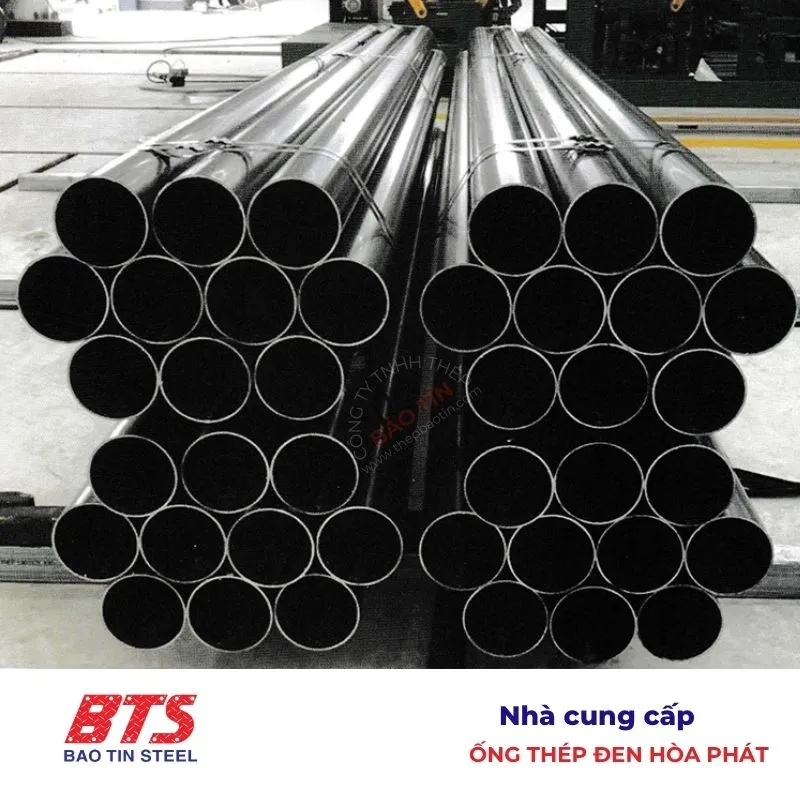
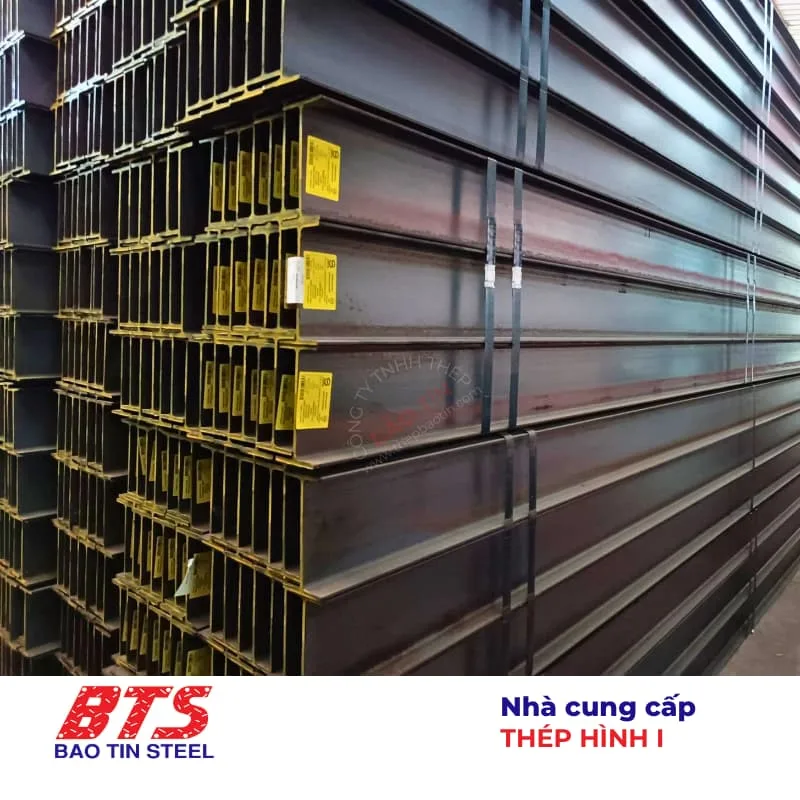
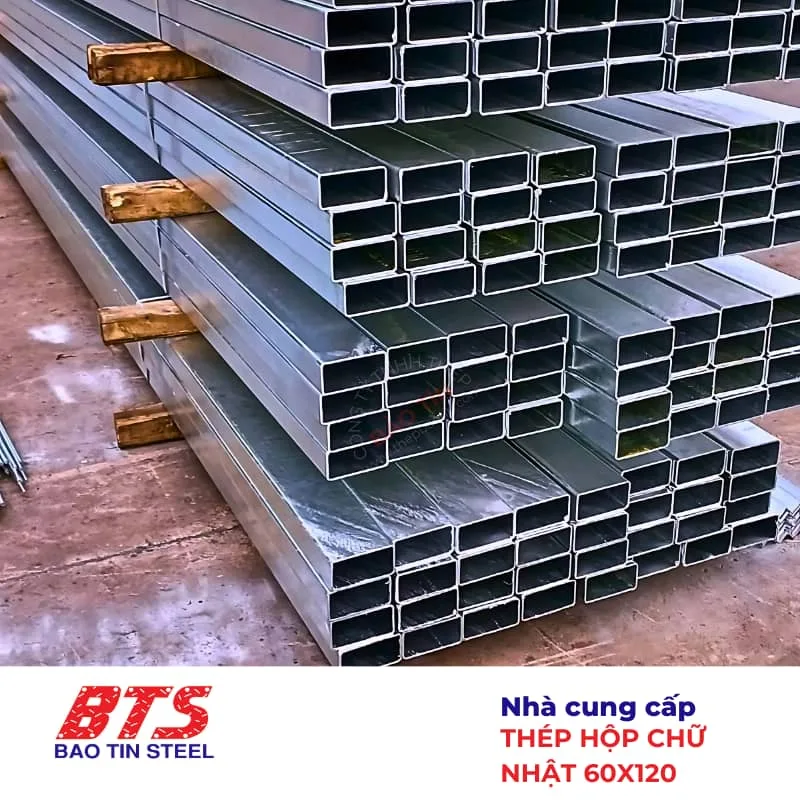
In addition, Bao Tin Steel also provides steel plate fabrication services, connection plate fabrication, and pipe cutting and threading services, helping investors and contractors to:
- Control quality from the very beginning
- Minimize technical issues during construction
- Ensure consistency between drawings, materials, and structural components.
This is exactly what many projects require to ensure the construction schedule, project quality, and budget control.
📌 Contact Bao Tin Steel for consultation on materials and steel structure fabrication in accordance with drawings and standards, optimizing costs from the very beginning. Hotline: 0932 059 176.
Above is useful information about steel structures and steel structure fabrication. If you need more information about steel structure fabrication pricing, please contact Thép Bảo Tín for immediate support – 0932 059 176!