

 Tiếng Việt
 ភាសាខ្មែរ
Should a check valve be installed for the water meter?
Are you wondering whether to install a check valve for your water meter?
This is a very common question during the installation of residential water supply systems, especially in areas where pressure drops frequently occur, water flows backwards, or water bills increase unexpectedly. Many people also ask whether water meters come with built-in check valves or if an external one needs to be installed to protect the system.
In reality, the check valve for a water meter is a small but extremely important device. It prevents backflow that could cause meter inaccuracies, protects the water source from contamination, and helps ensure stable operation of the entire system.
In this article, Thép Bảo Tín will walk you through when it’s necessary to install a check valve, the benefits it brings, important technical notes, and how to choose the most suitable valve.
What is a check valve? What types are suitable for water meters?
A check valve (also known as a non-return valve, check valve, or backflow prevention valve) is a device that allows water to flow in only one direction and automatically blocks reverse flow when it occurs.
What makes this type of valve special is that it operates entirely automatically—it doesn’t require electricity or manual operation. As long as there is water pressure, the valve opens; when the pressure drops or reverses, it closes immediately.
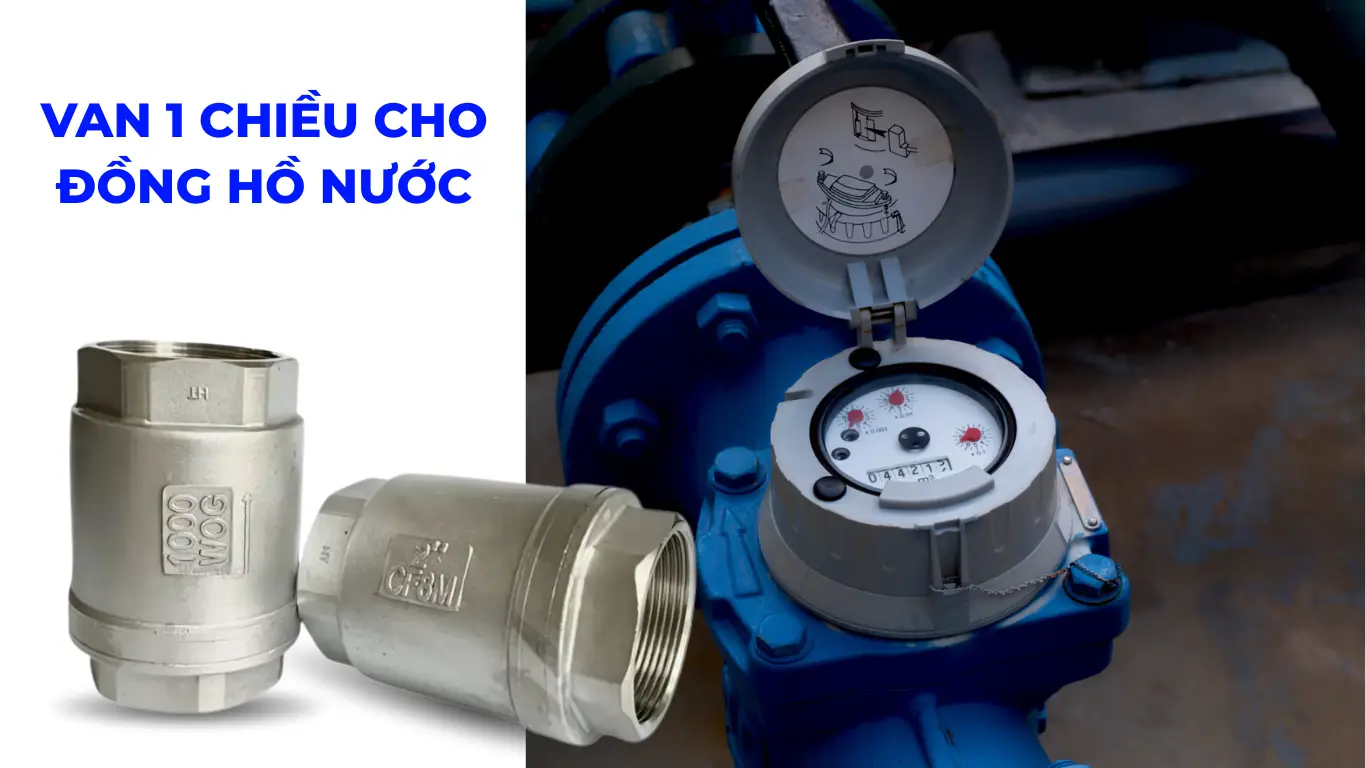
Common Types of Check Valves Used with Water Meters
| Type of Valve | Features | Best Applications |
|---|---|---|
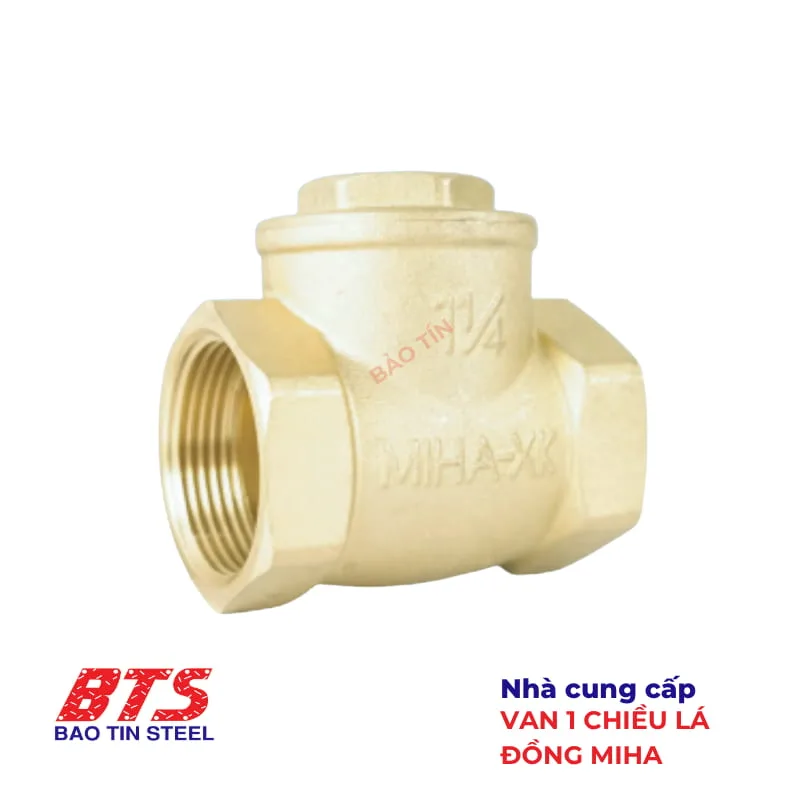
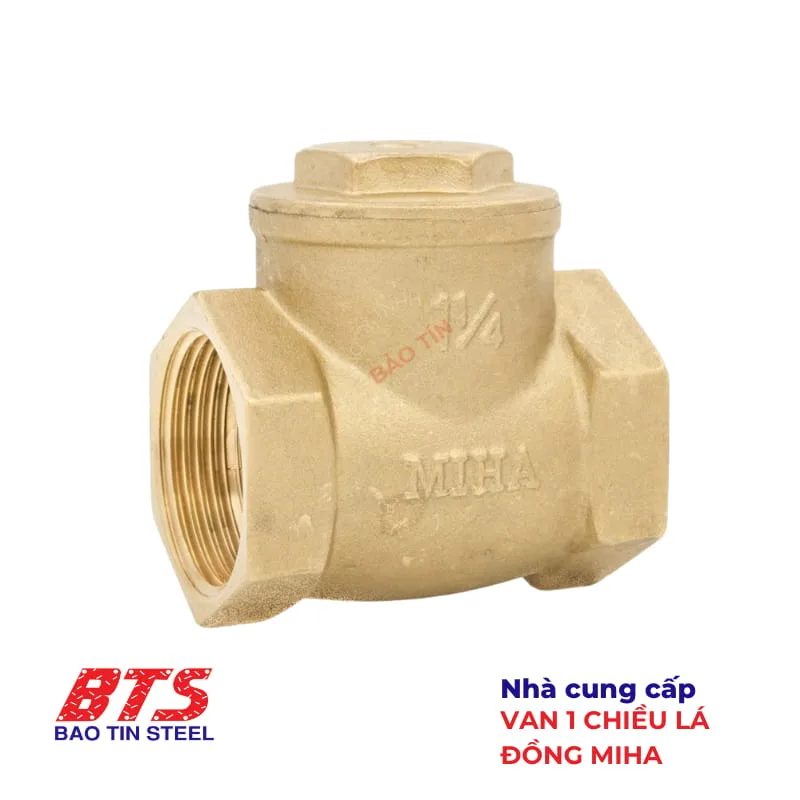
| Swing Check Valve | Uses gravity to close the valve; best installed horizontally | Low-pressure domestic systems, simple setups, easy to replace |
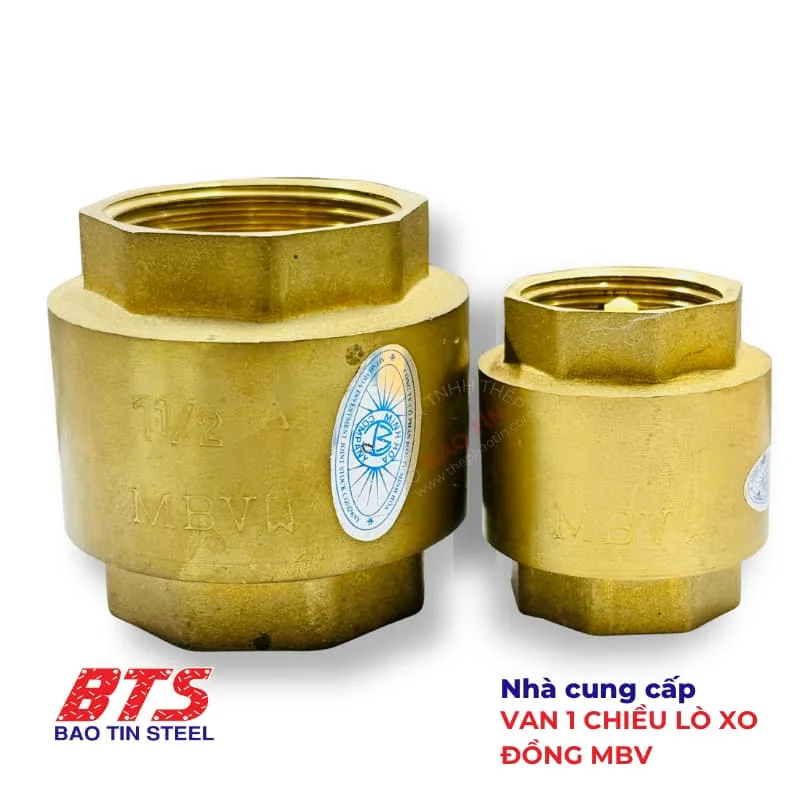
| Spring Check Valve | Uses a spring for a quick, tighter closure; can be installed horizontally or vertically | High-pressure systems or locations needing quick shutoff and minimal leakage |
| Non-Slam Check Valve | A special spring-loaded valve that closes gently to reduce pressure shocks (water hammer) | Ideal for quiet operation, minimising noise and pressure surges |
| Built-in Check Valve in Water Meter | Some high-end water meters come with an integrated check valve inside the body | Compact and convenient solution, requires little to no additional installation |
Depending on the available installation space, pipe orientation, water pressure, and usage goals, you can choose the suitable type of check valve. For typical residential systems, a compact brass threaded check valve or a small spring check valve is the most common and easiest to install.
Here are some product suggestions you can use as references:
Should a check valve be installed for the water meter?
Does a Water Meter Have a Check Valve?
Many people mistakenly believe that water meters come with built-in check valves, so there is no need to install an additional one. In reality, most residential water meters today do NOT include an integrated check valve. The water meter’s sole function is to measure the volume of water flowing in one direction, and it has no mechanism to prevent backflow into the system.
This means that if a pressure drop occurs, water in the system can be drawn backwards toward the supply pipe, causing the meter to spin in reverse. This results in significant errors in billing and can even contaminate the clean water supply if impurities from storage tanks, leaking pipes, or sanitary equipment enter the system.
Are There Water Meters with Built-in Check Valves?
The answer is yes, but only in certain high-end or specialised water meter models. These are typically installed in large-scale projects, hot water systems, or applications with stringent water safety requirements. Such meters usually have an integrated check valve at the inlet, saving installation space and reducing manual operations.
However, for the vast majority of households today, to ensure safety and accurate measurement, the recommended solution remains installing an external check valve right after the meter, following proper technical guidelines and the TCVN standards.
Should You Install a Check Valve for Your Water Meter?
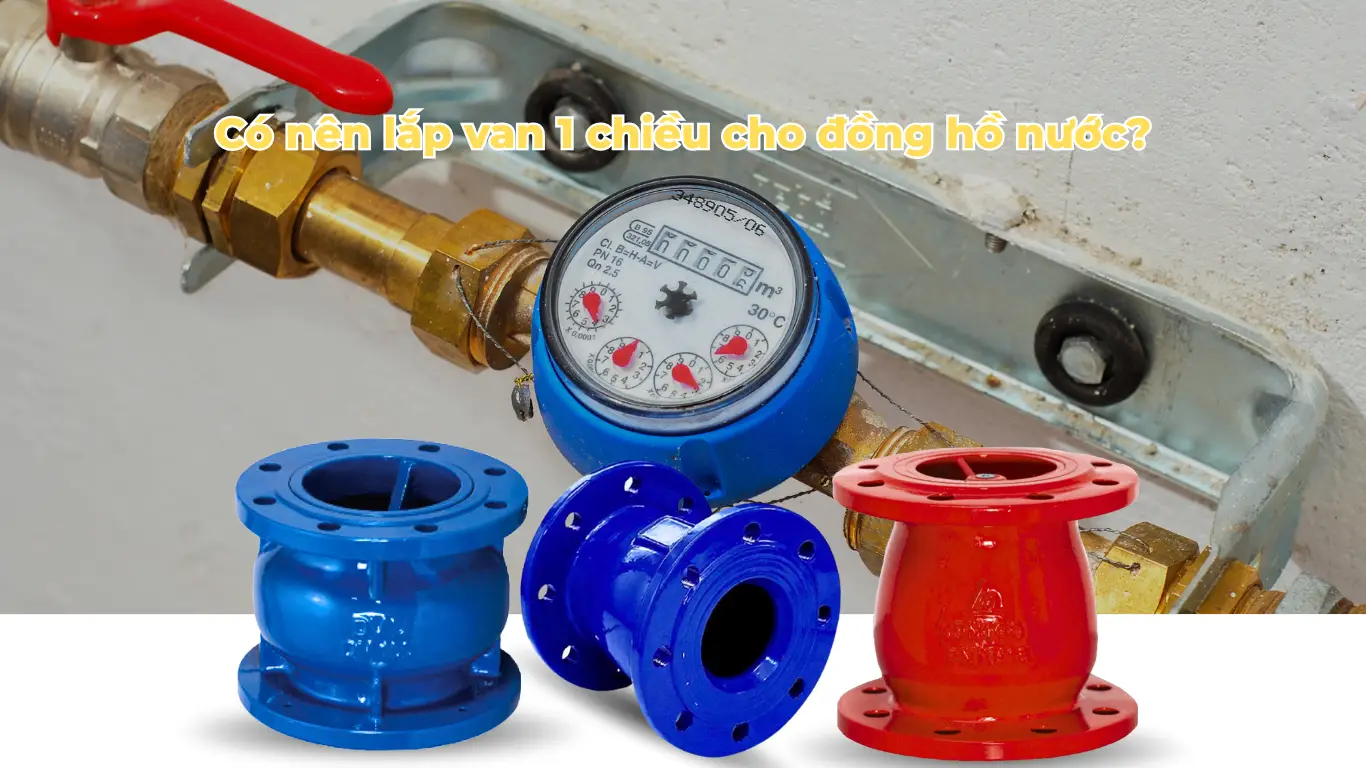
The short answer is: YES. Installing a check valve for your water meter is not only recommended but also essential—especially in systems that frequently experience pressure drops, backflow, or have water tanks, water heaters, or pumps installed.
Here are 4 convincing reasons why you should seriously consider it:
Prevents Backflow – Protects the Water Meter
- When the water pressure in the pipeline is low or interrupted, water in your system can flow backwards, causing the water meter to spin in reverse. This can lead to mechanical wear, damaged gears, or even significant measurement errors.
Ensures Accurate Water Billing
- One common issue is inaccurate meter readings caused by water flowing backwards during pressure changes—for example, when turning on a pump, flushing a toilet, or using hot water. A check valve ensures the meter spins in only one direction, guaranteeing accurate measurements and preventing errors in your water bills.
Prevents Water Contamination – Protects Health
- There are many cases where water is drawn backwards from dirty sources (toilets, washing machines, garden hoses, etc.) into the main supply line during pressure drops, contaminating clean water. The check valve acts as a “safety shield,” preventing dirty water from flowing back into the common water supply—crucial for protecting the health of your family and community.
Compliance with Water Industry Guidelines and Standards
- Saigon Water Corporation (SAWACO) and many other water supply agencies recommend or require installing check valves to ensure accurate measurement and reduce water loss.
Important Notes When Installing a Check Valve for Your Water Meter
Although check valves offer numerous benefits, improper installation or selecting the wrong type of valve can lead to issues such as water leaks, inaccurate meter readings, or even damage to the entire water supply system. Here are some important points you need to keep in mind:
Do Not Install the Check Valve Too Close to the Water Meter
According to the TCVN 8779-2:2011 standard, to ensure accurate flow measurement, the check valve must not be installed within a certain distance of the water meter:
- A straight pipe section with a minimum length of 10 times the pipe diameter is required upstream of the valve,
and 2 times the pipe diameter downstream. - Absolutely avoid installing valves, fittings, elbows, or tees within this section, as they can cause flow disturbances and lead to inaccurate meter readings.
For example, if the pipe diameter is small (e.g., 27mm), you need to have about 27cm of straight pipe before the water meter and 5.4cm after the meter before installing the valve.
Install the Valve According to the Flow Direction Arrow on the Valve Body
Choose the Right Type of Valve for Your System:
- For typical household systems, choose a good-quality brass threaded valve, either spring or swing type, which is easy to install and durable.
- For hot water systems or pumps: use stainless steel valves or valves designed to withstand high temperature and pressure.
Clean the Pipes Before Installation
to prevent foreign objects from sticking to the valve disc, causing it to jam, fail to close properly, or even damage the valve after a short period of use.
Tighten All Connections Evenly,
But avoid over-tightening to prevent cracking the valve body or damaging the threads. After installation, slowly open the water valve and check for any leaks or unusual noises.
Risks & Solutions When Installing a Check Valve
Although check valves offer many benefits, incorrect selection or installation can lead to some common issues listed below.
Water Hammer
When a check valve closes too quickly (especially swing check valves), it can cause a strong pressure surge, producing a “knocking” sound or pipe vibrations—commonly known as water hammer.
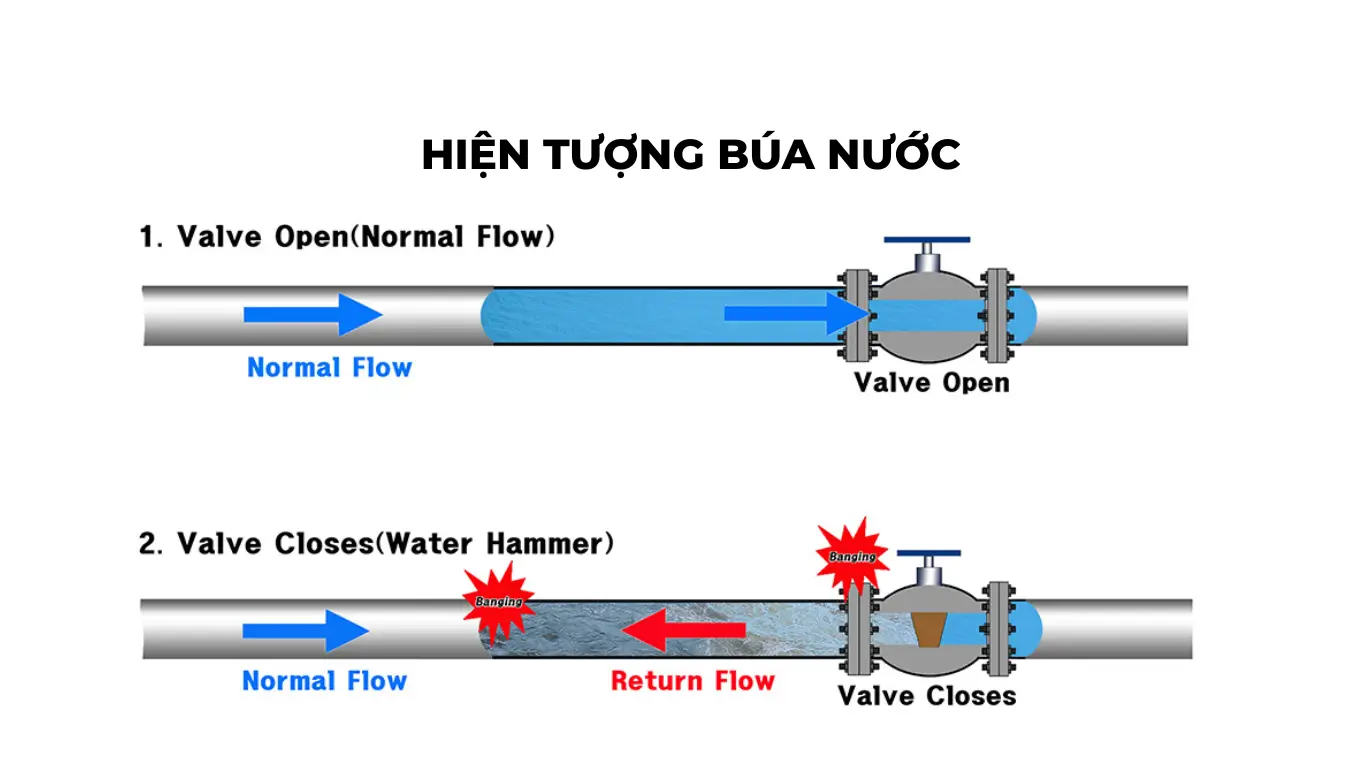
Dangers:
- It can cause pipe bursts and joint leaks.
- May damage equipment such as water heaters, shower heads, and water meters.
Solutions:
- Use a spring check valve (silent check valve) — a valve with a spring that closes gently to avoid pressure shocks.
- Install a pressure expansion tank (pressure accumulator) to absorb pressure surges and regulate system pressure.
Pressure Drop or Reduced Water Flow
Cause: Every check valve creates a certain level of resistance (known as the “cracking pressure”) that must be overcome before water can flow through.
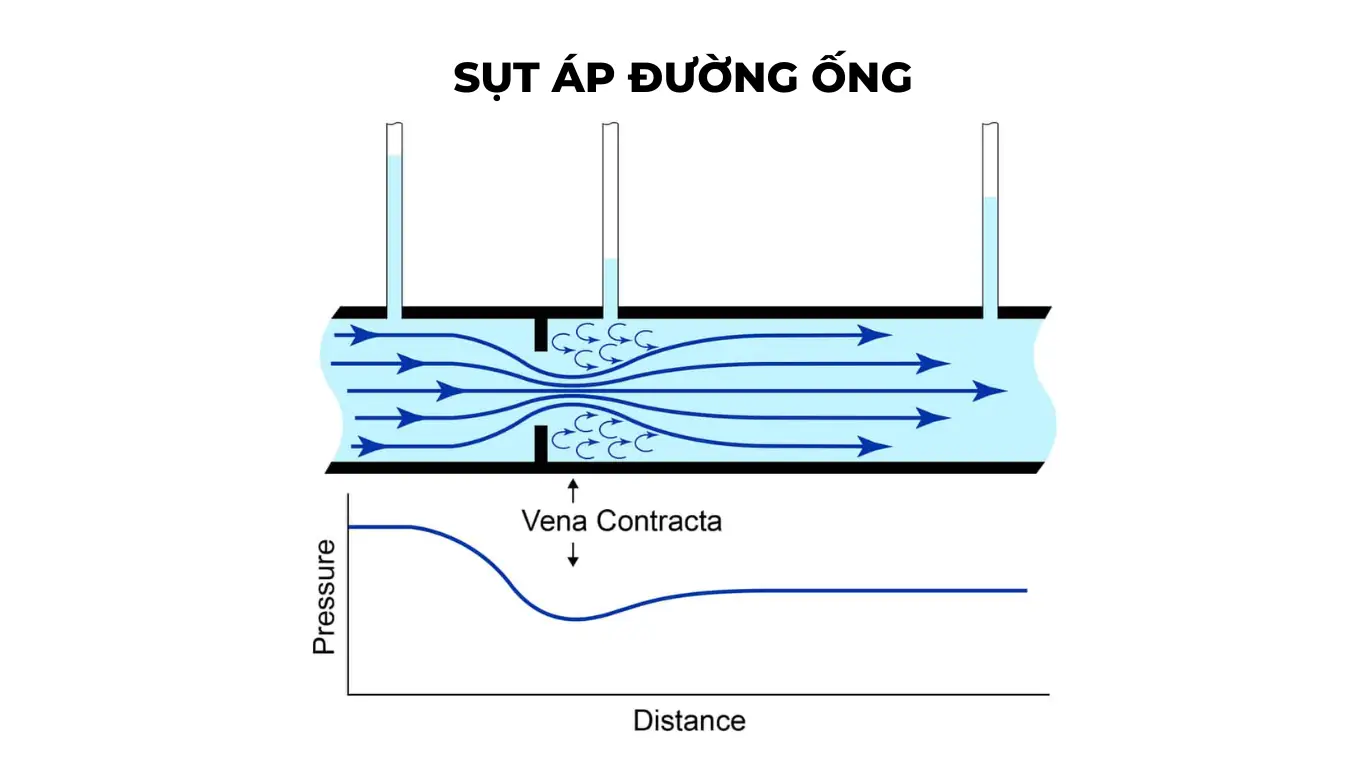
Symptoms:
- Water flows more weakly than usual.
- Water heaters and washing machines operate poorly.
Solutions:
- Choose a valve with a high Cv rating (flow coefficient) to minimise water resistance.
- For small-diameter pipes, use a lightweight spring check valve with a low cracking pressure.
- Inspect the entire system for blockages, sediment buildup, or abnormal fittings.
Measurement Errors in Water Flow
Causes:
- Installing the valve too close to the water meter.
- Valve misalignment, stuck disc, or abnormal water turbulence causing flow disturbances that affect the meter’s measuring gears.
Solutions:
- Follow TCVN 8779-2:2011 standards: ensure sufficient straight pipe lengths before and after the meter (10D upstream – 2D downstream).
- Avoid placing the valve immediately next to the meter or right after an elbow; it should be installed at least several pipe diameters away.
Internal Pressure Increase Due to Thermal Expansion
Situation: When you have a water heater, installing a check valve creates a closed system. As the water heats and expands, pressure increases with no place for relief.
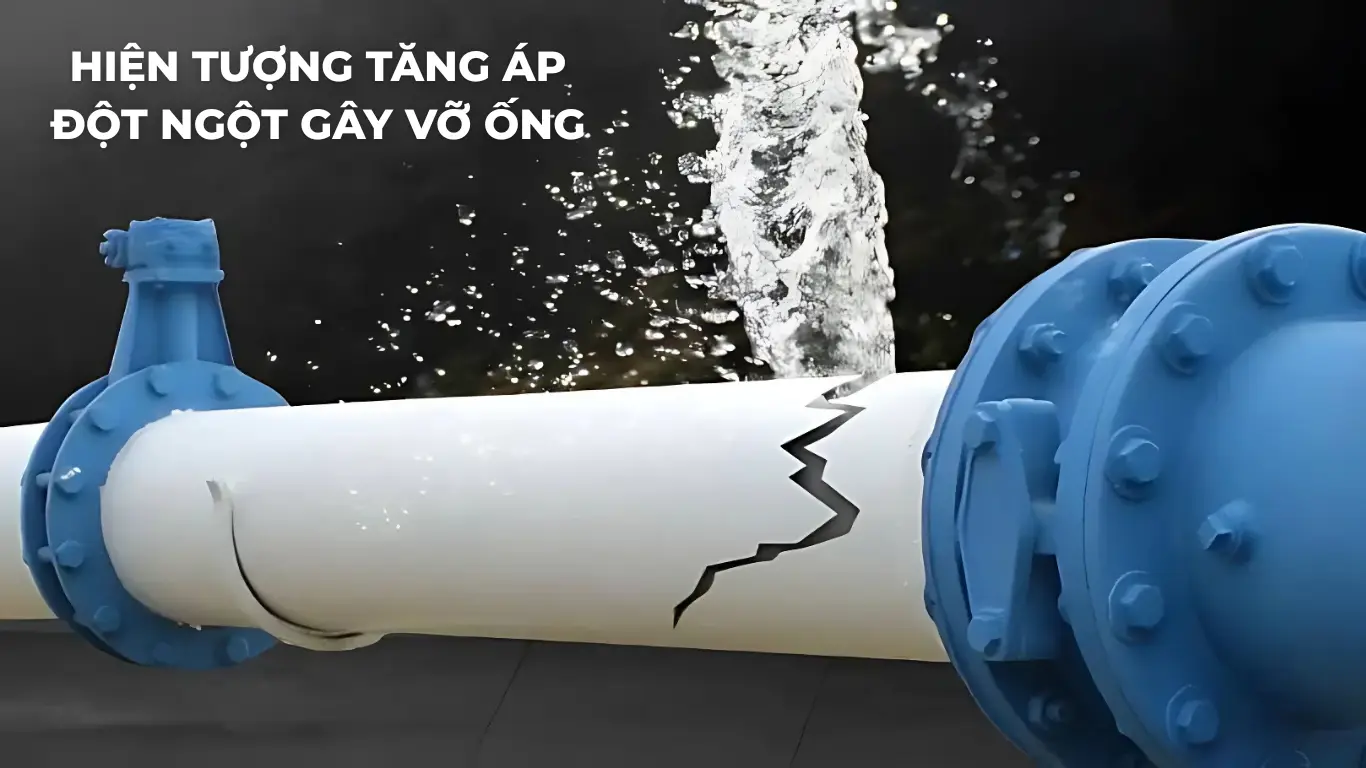
Consequences:
- Causes the safety valve of the water heater to leak.
- Leads to pipe bursts and leaks at joints.
Solutions:
- Install a pressure expansion tank between the check valve and the water heater.
- This device is inexpensive, compact, and extremely effective in balancing pressure in a closed water system.
Conclusion
Installing a check valve for your water meter is not just a simple technical solution but a comprehensive way to protect your home water supply system—from the meter and water-using devices to your health and water bills.
- Prevents backflow that can damage the water meter.
- Ensures accurate water billing.
- Protects clean water sources from internal system contamination.
- Complies with technical guidelines from water supply authorities like SAWACO.
However, to maximise the effectiveness of the check valve, you need to:
- Choose the right type of valve suitable for your specific conditions.
- Install it correctly, in the proper position, following TCVN standards.
- Proactively inspect and maintain the valve regularly for long-term use.
If you are unsure, let Bao Tin Steel assist you in selecting quality check valves and installing them properly—ensuring reliable and durable operation over the years.
Contact the Bao Tin Steel consulting team now for free advice or explore our range of genuine valves with clear warranties and competitive prices!
-
- Hotline 0932 059 176
- Email: bts@thepbaotin.com