Tiếng Việt
 ភាសាខ្មែរ
What Is High-Speed Steel (HSS)? What Is Its Hardness? How Does It Affect Steel Products?
In mechanical machining, most manufacturing workshops commonly face problems such as cutting tools wearing out quickly, drill bits overheating or burning, and machining speeds having to be reduced to avoid damaging the tools. These issues reflect the limitations of conventional tool steels, including rapid wear, loss of hardness at high temperatures, and short service life.
This is exactly why high-speed steel (HSS) was developed. HSS allows cutting operations at high speeds while withstanding extreme heat, yet still maintaining the hardness and sharpness of the cutting edge.
If you are wondering what high-speed steel is, what types of HSS are available, and how it affects steel products and machining performance, check out the article below from Bao Tin Steel.
What Is High-Speed Steel (HSS)?
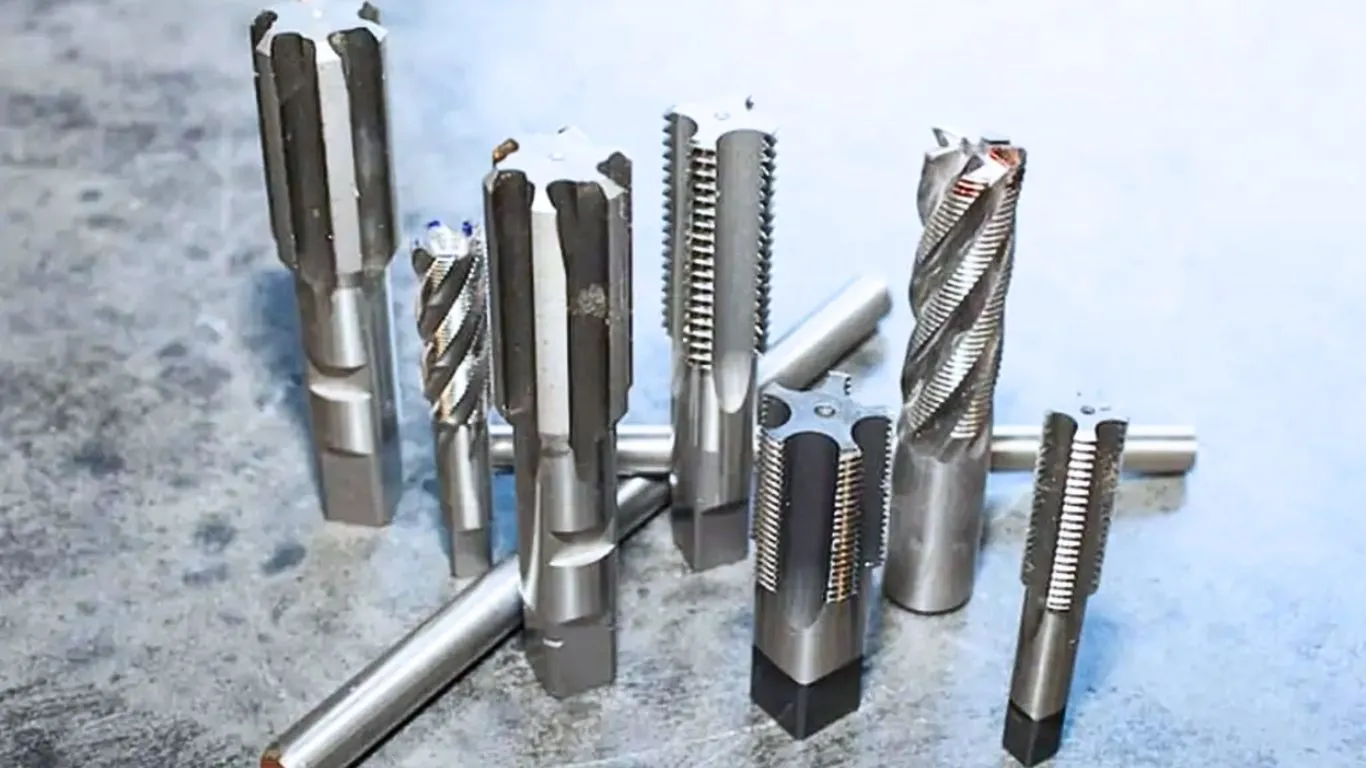
High-speed steel (HSS), also known as rapid cutting steel, is a high-alloy tool steel specifically designed for high-speed metal cutting applications.
This type of steel can maintain its hardness even when the temperature rises significantly during machining processes — a property known as “hot hardness” or “red hardness.”
As a result, cutting tools made from HSS are less likely to soften quickly, lose their edge, or overheat during operation, allowing them to perform more stably and efficiently than conventional steels.
The key factor that makes HSS different lies in its alloy composition:
- Carbon (0.6–1.3%): Provides the base hardness and helps the cutting edge maintain a stable shape during machining.
- Tungsten (12–20%): Enhances heat resistance and allows the steel to retain hardness at high cutting temperatures.
- Molybdenum and Chromium (3.5–4.5%): Improve wear resistance and overall material durability.
- Vanadium and Cobalt: Increase overall strength, hardness retention, and oxidation resistance.
What Is the Hardness of High-Speed Steel? Classification of HSS
The hardness of high-speed steel (HSS) is generally divided into two main categories, including:
Common classification of high-speed steel (HSS) based on hardness.
Common High-Speed Steel Grade (M2)
This is the most widely used type of HSS in mechanical workshops, commonly used for manufacturing drill bits and milling cutters for machining medium-carbon steel.
- Standard hardness: 63–65 HRC.
- Characteristics: Offers an excellent balance between hardness and toughness, with good impact resistance.
Used for machining more difficult materials such as stainless steel (inox).
- Standard hardness: 64–66 HRC.
- Characteristics: Thanks to the addition of 5% cobalt, this grade retains its sharp cutting edge longer under high-temperature conditions.
Ultra-Hard High-Speed Steel Grade (M42 – HSS Co8)
Commonly used in premium drill bits and band saw blades for cutting hardened steel and titanium alloys.
- Standard hardness: 66–68 HRC.
- Characteristics: The 8% cobalt content provides extremely high wear resistance. However, the material also becomes significantly more brittle.
Powder Metallurgy High-Speed Steel (PM HSS)
This is the highest-grade type of HSS, produced using powder metallurgy technology, where metal powders are compacted under high pressure and high temperature.
- Standard hardness: 67–70 HRC.
- Characteristics: Its ultra-fine carbide grain structure allows the steel to achieve maximum hardness while maintaining superior toughness compared to conventional high-speed steels.
High-Speed Steel (HSS) and Its Practical Applications
As mentioned, high-speed steel (HSS) is a material used to manufacture high-quality cutting tools. At Thép Bảo Tín, HSS cutting blades are directly used in the machining process for cutting steel plates, steel pipes, and more. The finished products are consistently highly rated. Specifically:
Steel base plates (gusset plates) – precise and sharp in every cut.
For steel base plates (gusset plates), this is a material that requires high precision for structural assembly. Using high-speed steel (HSS) cutting blades helps ensure that all edges remain sharp and perfectly square.
The cut surfaces are flat, without beveling or waviness as often seen in manual cutting. In addition, bolt holes drilled with M35/M42 HSS drill bits are clean, round, and free of burrs.
As a result, bolts can be inserted very easily without the need for additional surface finishing or rework.
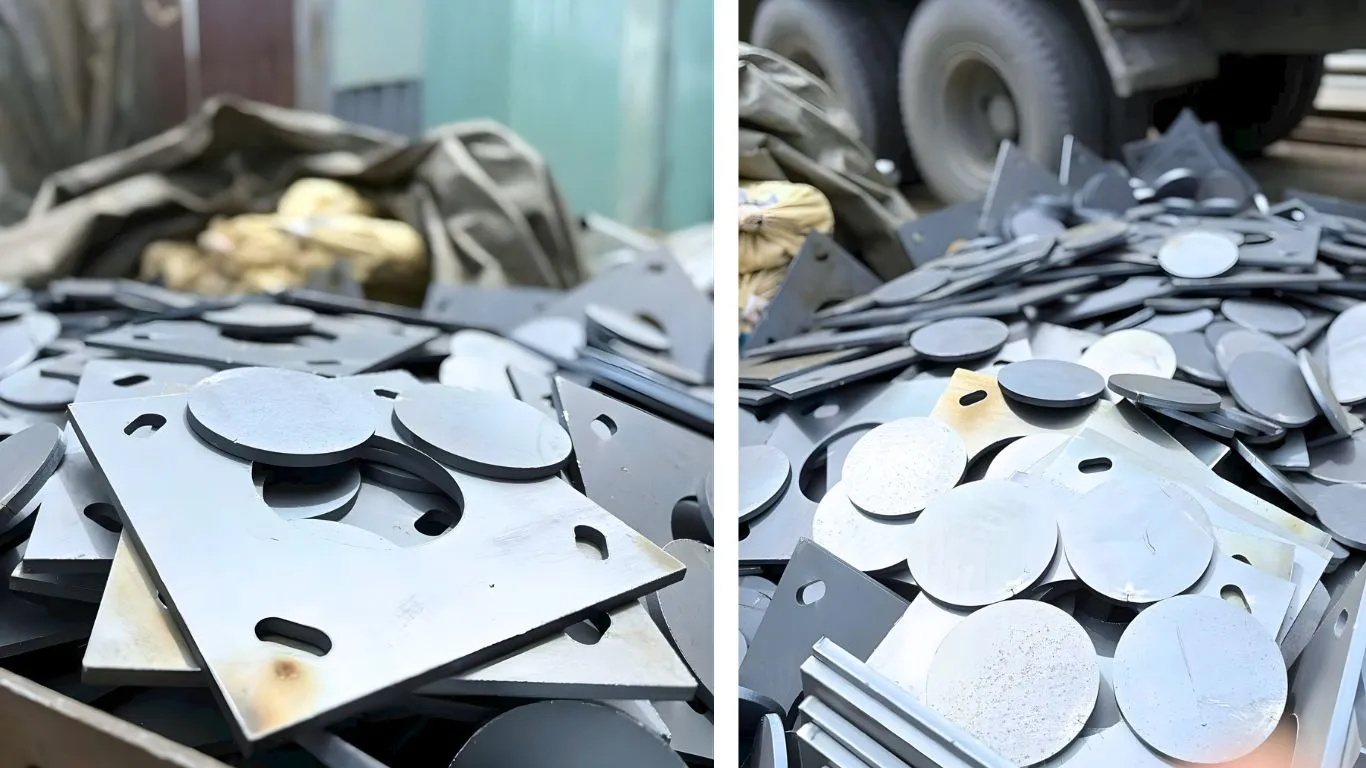
Steel Plates – Smooth Surface, No Thermal Distortion
A major drawback of cutting thick steel plates using oxy-fuel or high-temperature plasma is that the cutting edge can easily become “burned” or suffer material property changes (metallurgical alteration), making it brittle and prone to cracking.
High-speed steel (HSS) cutting blades, on the other hand, operate on a cold-cutting or high-speed cutting mechanism combined with an optimized cooling system. As a result, the edges of the steel plate are smooth and clean, while the original mechanical properties of standard steel are preserved.
This helps ensure that subsequent welding achieves better fusion and higher joint strength and durability.
See more types of steel plates currently available at Bao Tin Steel.