

 Tiếng Việt
 ភាសាខ្មែរ
What Is Steel Recycling? Comparing Recycled Steel and Newly Produced Steel
Nowadays, many people choose recycled steel to both save costs and protect the environment. However, when starting a project, several questions are often raised, such as:
- Are there any risks when using recycled steel?
- Does it affect the quality of buildings, piping systems, or load-bearing structures?
- Is recycled steel inferior to newly produced steel made from iron ore?
The article below from Bao Tin Steel will help answer these questions. At the same time, it will help you understand how to choose the right steel solution that is both sustainable and suitable for your budget.
What Is Steel Recycling?
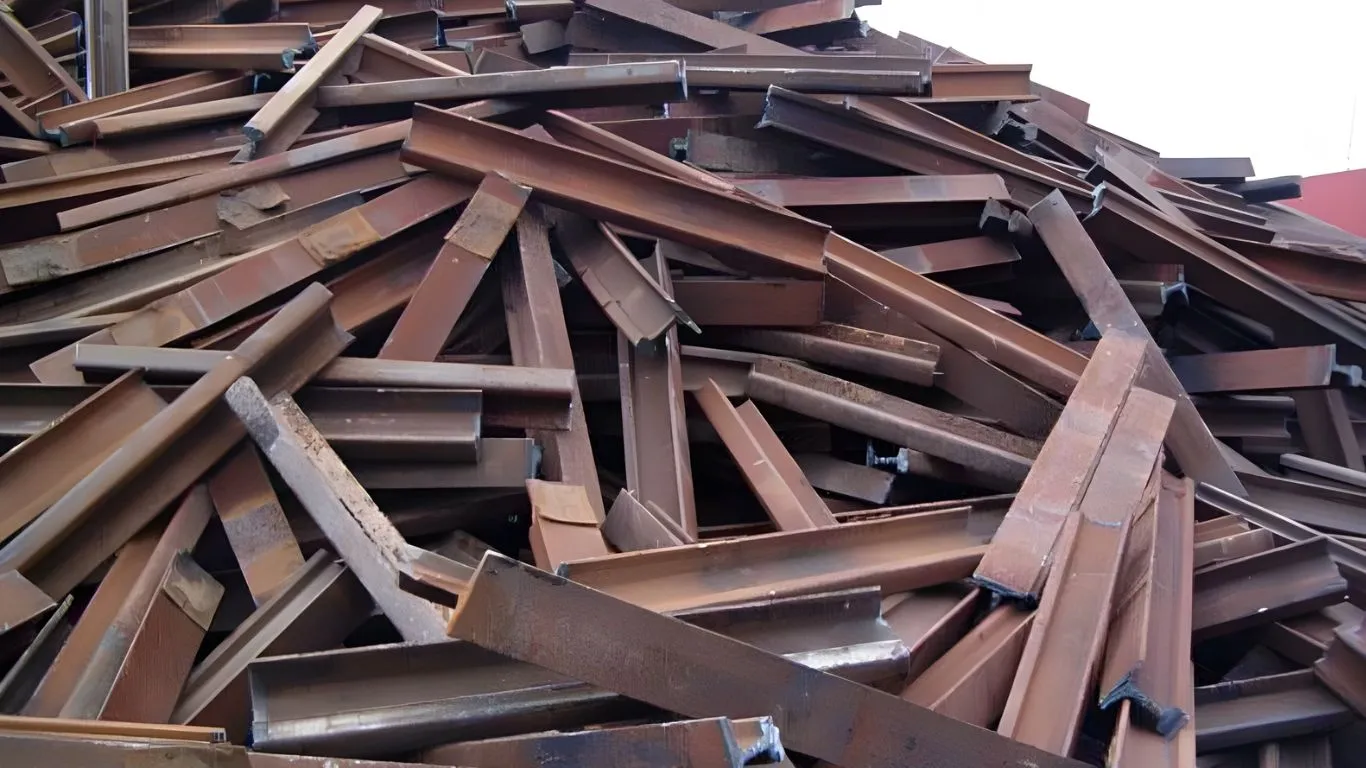
Steel recycling is the process of collecting scrap steel from demolished buildings, old structures, damaged machinery, industrial waste, and other sources, then remelting it to produce new steel products.
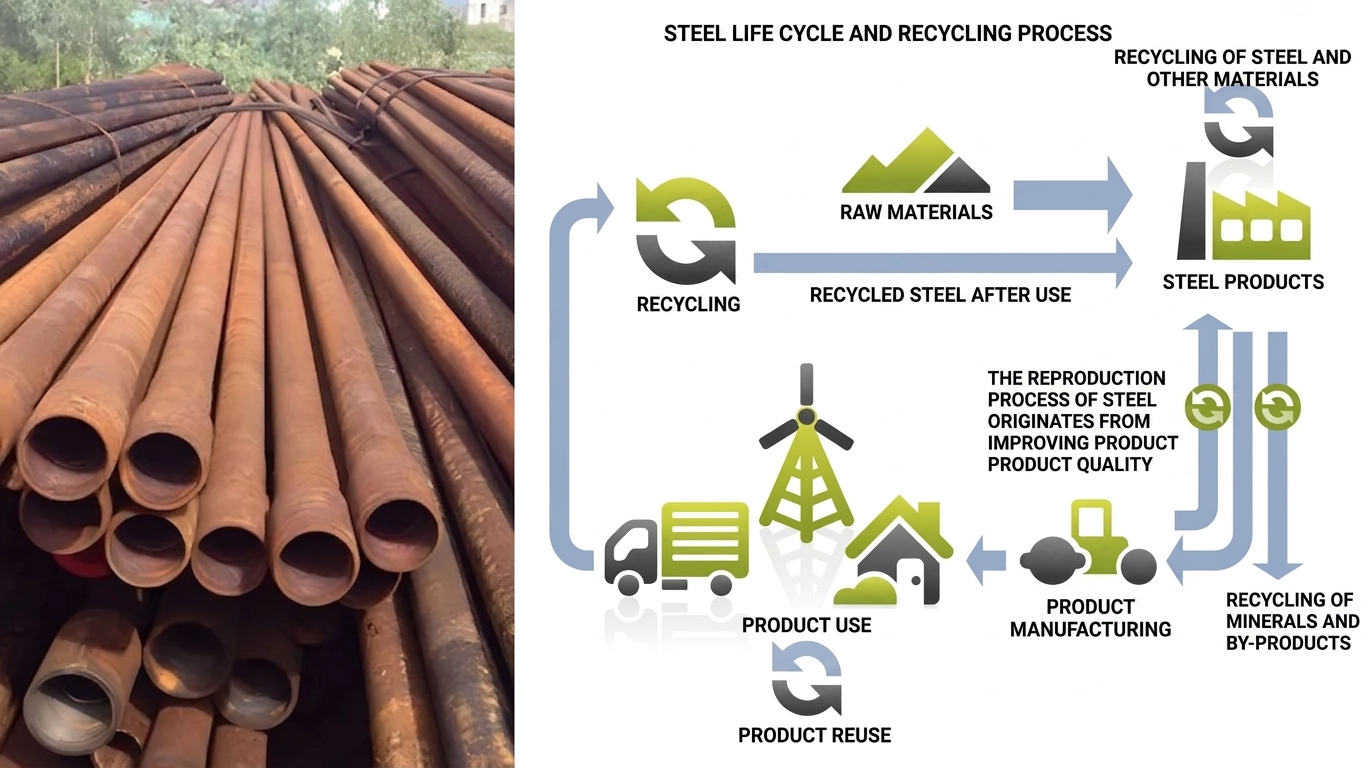
Steel Recycling Process
Basic Steel Recycling Process
- Collection and classification of scrap steel
- Removal of impurities (mixed metals, paint, oil, plastic, etc.)
- Melting in an electric arc furnace
- Refining the chemical composition
- Casting billets and rolling into products (steel pipes, structural steel, steel plates, etc.)
An important point: iron and steel are materials that can be recycled many times without losing their fundamental metallic properties. This is a major advantage in terms of environmental protection and resource conservation.
Risk of Impurities (The Most Critical Weakness)
This is the biggest difference. Newly produced steel made from iron ore has a much “cleaner” chemical composition. In contrast, recycled steel is melted from scrap materials such as car bodies, old machinery, and metal cans.
Elements such as copper (Cu), tin (Sn), and zinc are often mixed into the scrap and are very difficult to completely remove during electric furnace melting.
If the impurity content is too high, the steel can become brittle, crack easily during bending, and become more difficult to weld. This is extremely dangerous for heavy load-bearing structures.
Consistency in Quality
- Prime Steel (New Steel) Manufactured from iron ore in large batches, prime steel boasts an exceptionally stable chemical composition—ensuring absolute uniformity across every single piece. Leading steel manufacturers in Vietnam, such as Hoa Phat, Hoa Sen, and Viet Duc, strictly guarantee the chemical composition and physical properties detailed in the mill test certificates (MTC) issued with each batch. At Bao Tin Steel, these official certificates are always provided to customers upon delivery. For any product-related inquiries or technical questions, customers can contact us directly via our hotline at 0932 059 176 for immediate assistance.
-
Recycled Steel. Because the scrap metal feedstock varies with every single production run (ranging from demolition rebar to old machinery parts), the final product quality can fluctuate if the steel mill lacks advanced refining technology. This inconsistency means one batch might be highly ductile, while the next could turn out significantly harder and more brittle.
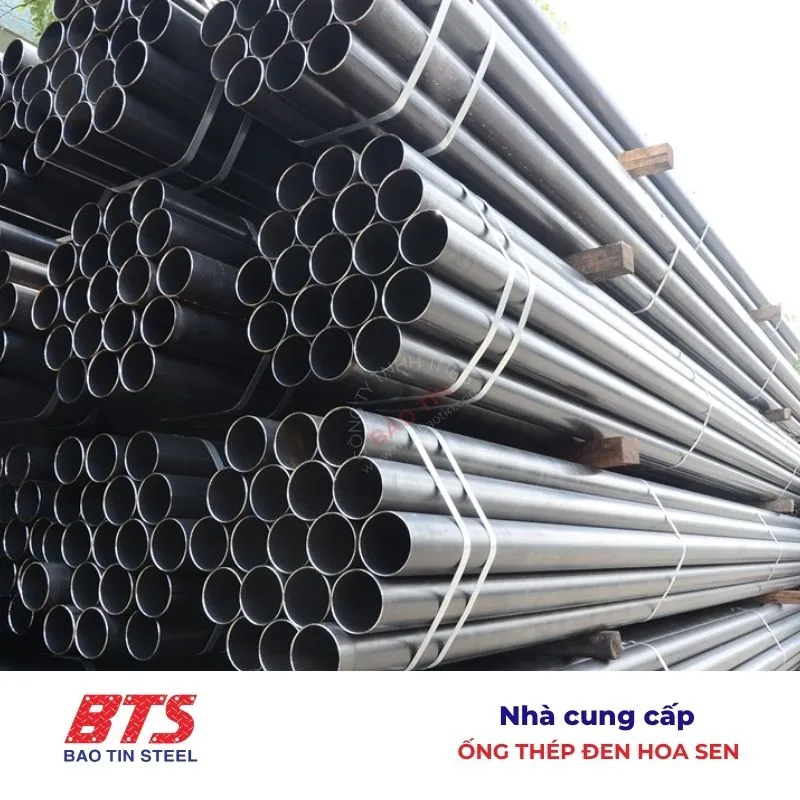
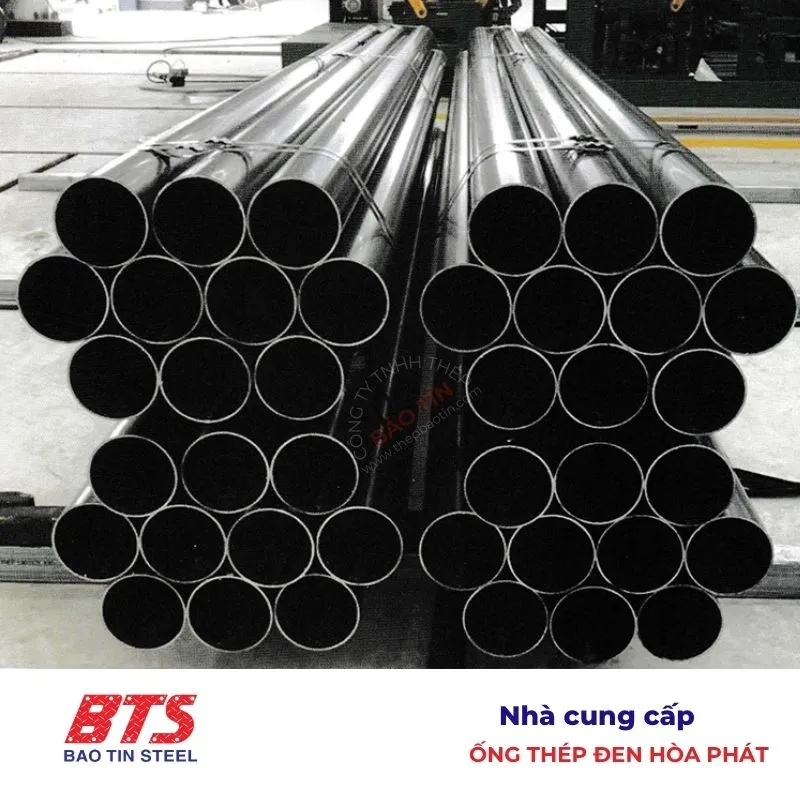
Each steel pipe product at Bao Tin Steel is imported brand new directly from the manufacturer. Explore our products now.
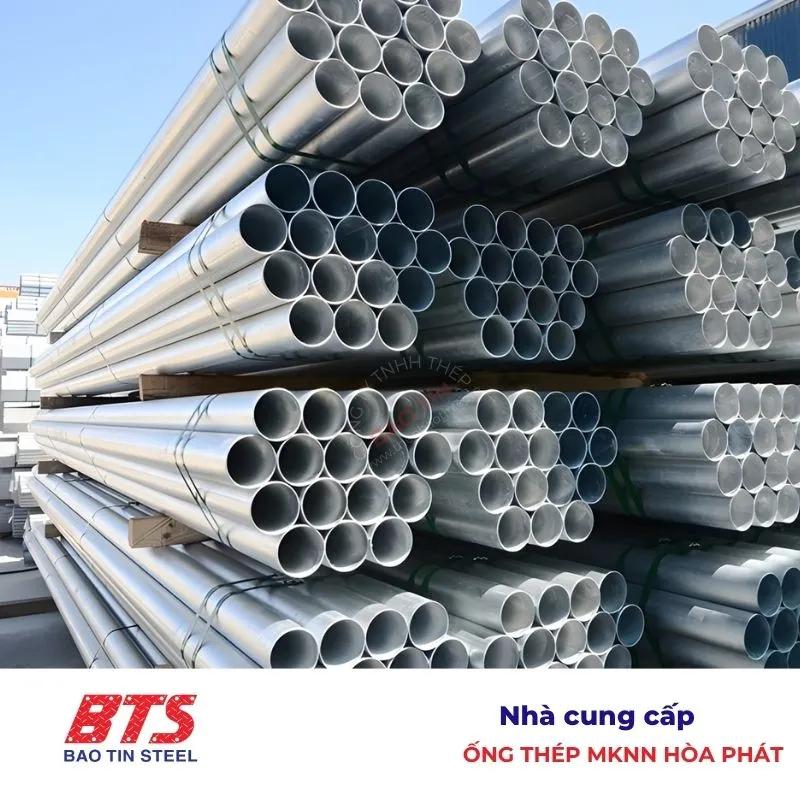
Corrosion Resistance (Rusting)
Although recycled steel theoretically has properties similar to newly produced steel, some studies indicate that if impurity levels (such as copper) are not properly controlled, they may increase the risk of rust and corrosion.
For gas pipelines or chemical piping systems, using substandard recycled steel can lead to faster corrosion compared to steel produced from pure raw materials.
In reality, even newly manufactured steel pipes can still rust if they are not properly stored or protected. This can reduce both the quality and appearance of the pipes.
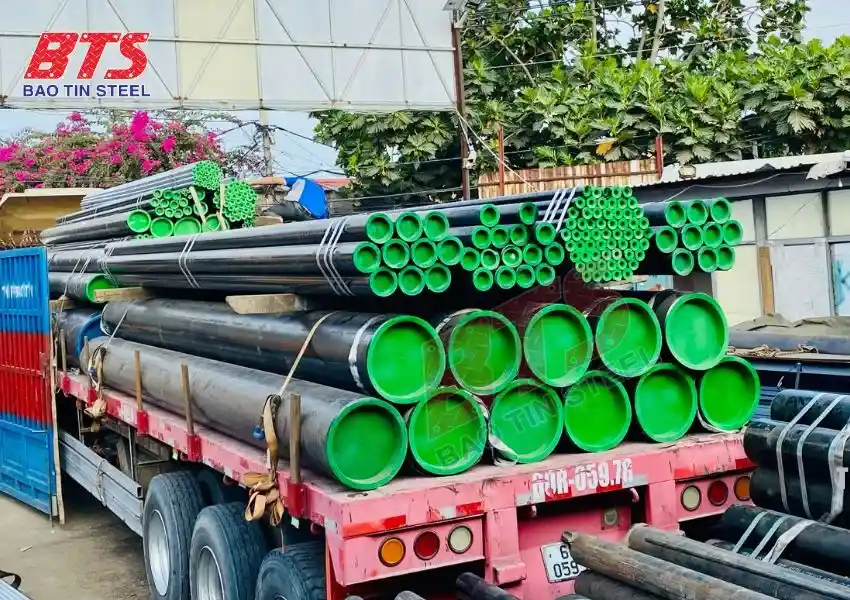
To minimize this issue, steel pipes are commonly coated with black paint or galvanized in order to maximize their service life.
When Can Recycled Steel Be Used?
Recycled steel is not a low-quality material. The issue is not whether the steel is produced from scrap or from iron ore, but rather:
- The intended application
- The technical requirements of the project
- The level of load and pressure resistance required
- The product standards and origin of the material
Recycled steel can be used when:
- Meets clear technical standards (ASTM, JIS, EN, API, etc.)
- Comes with full CO, CQ, and Mill Test certificates
- Is produced in a factory with advanced technology and strict quality control
- Is used for applications that do not require high-pressure resistance or special safety requirements. Typical examples include: secondary structural components, small building frames, fences, railings, residential warehouses, support brackets, and general mechanical fabrication work.
Conversely, recycled steel should NOT be used when:
- The manufacturing source or factory is unknown
- There are no certificates or documentation available
- The steel grade cannot be clearly identified
- It is used for high-pressure systems such as fire protection (PCCC), gas pipelines, or heavy load-bearing structures
In the steel industry, the risk does not lie in the concept of “recycled steel” itself, but rather in steel with unclear origin.
Understanding this, Bao Tin Steel always ensures the supply of steel pipes, steel fittings, valves, and related products from reputable manufacturers both domestically and internationally. Typical steel pipe suppliers include major brands such as Hòa Phát, Hoa Sen, Việt Đức, and Sao Việt—all of which are leading steel companies in Vietnam.
Imported products such as Chinese seamless steel pipes always come with full CO and CQ certificates from the manufacturing plant. In addition, each pipe batch includes detailed information such as brand, chemical composition, technical standards, and a Heat Number (a unique identification code stamped directly on the pipe surface by the factory).
Thanks to this, customers can easily verify the origin and feel confident about the product quality.
Conclusion
Recycled steel is not the problem. What truly matters is whether the steel is produced through proper processes and meets the required technical standards. Businesses should not focus only on whether the steel is “new or recycled,” but rather on clear traceability, applicable standards, and complete documentation.
Choosing the right material from the beginning helps ensure stable operation, reduces risks, and prevents costly repairs in the future.
Bao Tin Steel provides genuine imported steel products with full CO and CQ certificates and transparent technical documentation. The company focuses on the fundamental but essential factors such as material quality, production process, and technology, ensuring customers can always feel confident when placing orders.
For consultation or quotations on steel products, please contact: 0932 059 176