

 Tiếng Việt
 ភាសាខ្មែរ
What Is Metal Heat Treatment? Common Heat Treatment Methods
In the steel and mechanical engineering industries, metal heat treatment is a critical process that directly determines the mechanical properties, durability, and service life of materials.
From steel billets, steel plates, structural steel, and steel pipes to machine components, most metal products must undergo one or more heat treatment processes before being put into operation.
The article below will help you better understand what metal heat treatment is, along with its characteristics and common processing methods. If you work in metallurgy, steel manufacturing, or mechanical engineering, don’t miss this article.
What Is Metal Heat Treatment?
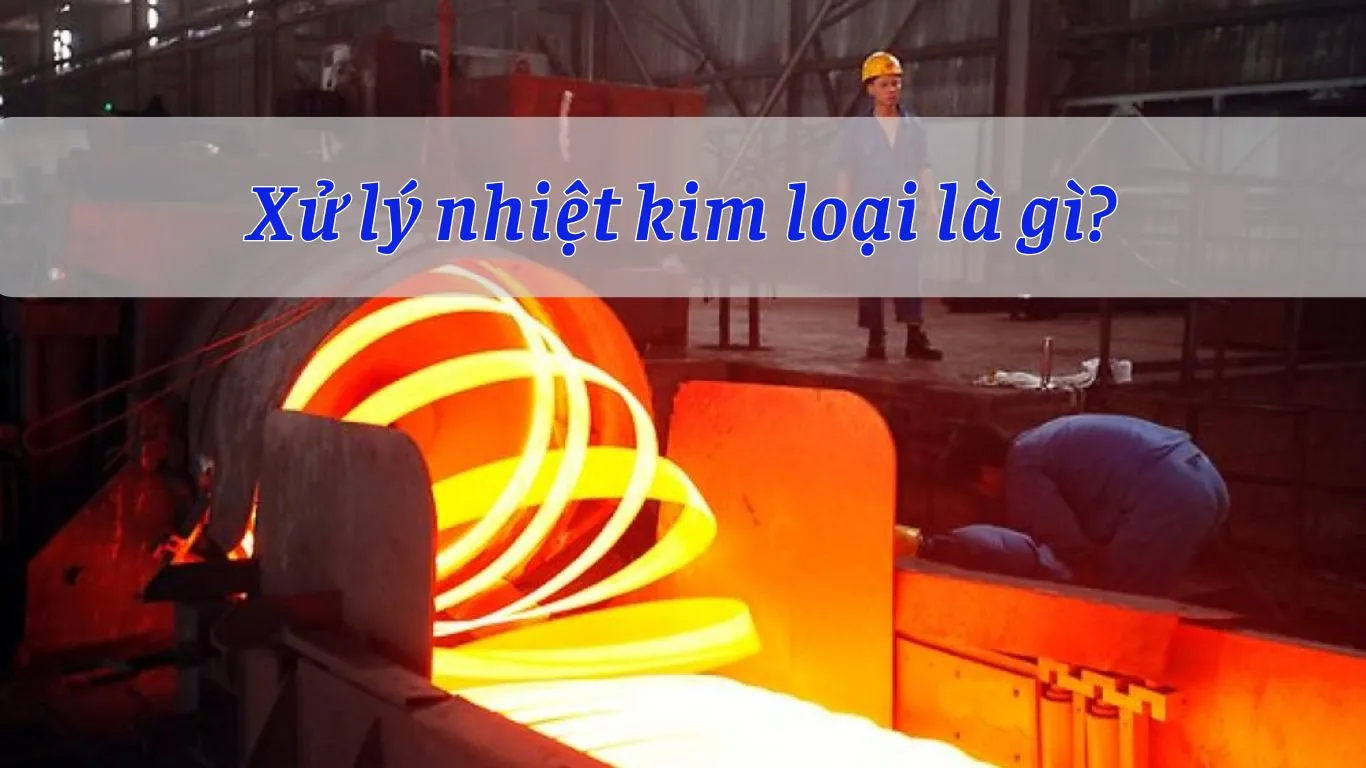
In steel manufacturing, metal heat treatment is the process that ultimately determines the final mechanical properties of the material. After smelting, casting, and rolling, steel only achieves its required chemical composition and shape. To obtain the desired strength, hardness, and toughness according to technical standards, heat treatment is essential.
Common Metal Heat Treatment Methods
Metal heat treatment methods are typically classified based on their purpose and the way they alter the internal structure of the material. Below are the most common heat treatment methods used in the mechanical and steel industries:
Conventional Heat Treatment Methods
This group of heat treatment methods affects the entire cross-section of a component, changing its mechanical properties from the inside out.
Annealing is the process of heating steel and then cooling it very slowly, usually in a furnace.
This method helps:
- Soften the steel for easier machining
- Increase ductility for stamping and rolling
- Relieve internal stresses
Normalizing is the process of heating steel and then cooling it in still air.
This method helps:
- Refine the grain structure
- Create moderate hardness for better machining
- Prepare the material for subsequent heat treatment processes
Quenching is the process of heating steel to a high temperature and then cooling it rapidly in water, oil, or salt solutions.
This process helps steel achieve:
- Maximum hardness
- Excellent wear resistance
However, quenched steel is often very brittle after treatment.
Tempering is a mandatory process performed after quenching. It involves reheating the quenched steel to a lower temperature and then cooling it again.
This process helps:
- Reduce brittleness
- Adjust hardness and strength according to technical requirements
- Improve the toughness and durability of the component
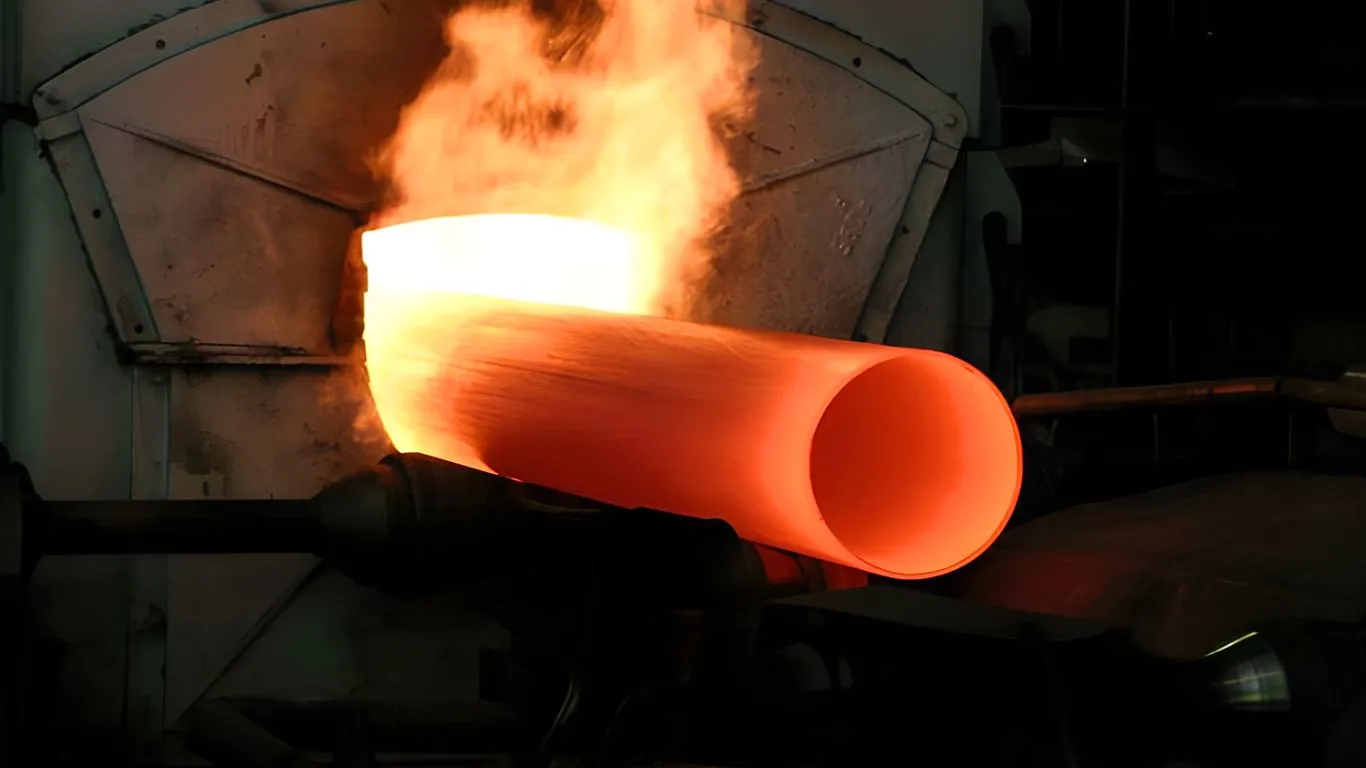
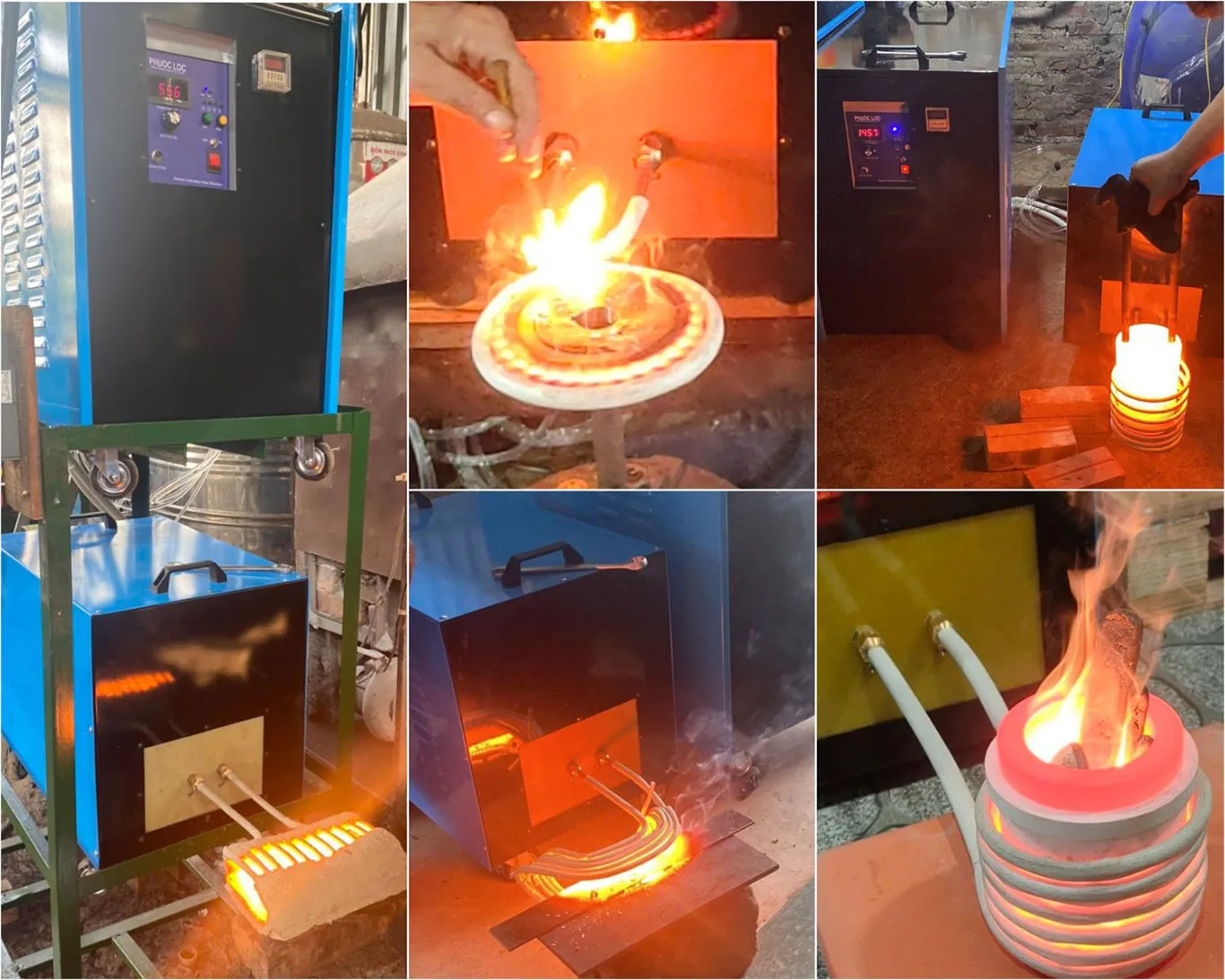
Induction Surface Hardening (High-Frequency Hardening)
Induction surface hardening uses electromagnetic induction to rapidly heat only the surface layer of a metal component, followed by immediate water quenching for cooling.
This method is commonly used for:
- Crankshafts
- Gears
- Machine parts requiring a hard surface with a tough core
It produces a wear-resistant outer layer while maintaining a strong and ductile internal layer
Thermochemical Heat Treatment Group
- Carburizing: Carbon is introduced into the surface of low-carbon steel. After that, quenching and tempering are applied to obtain an extremely hard outer layer.
- Nitriding: Nitrogen is diffused into the steel surface. This method creates very high hardness without requiring re-quenching, and provides excellent wear resistance and chemical corrosion resistance.
Typical Example of the Role of Metal Heat Treatment
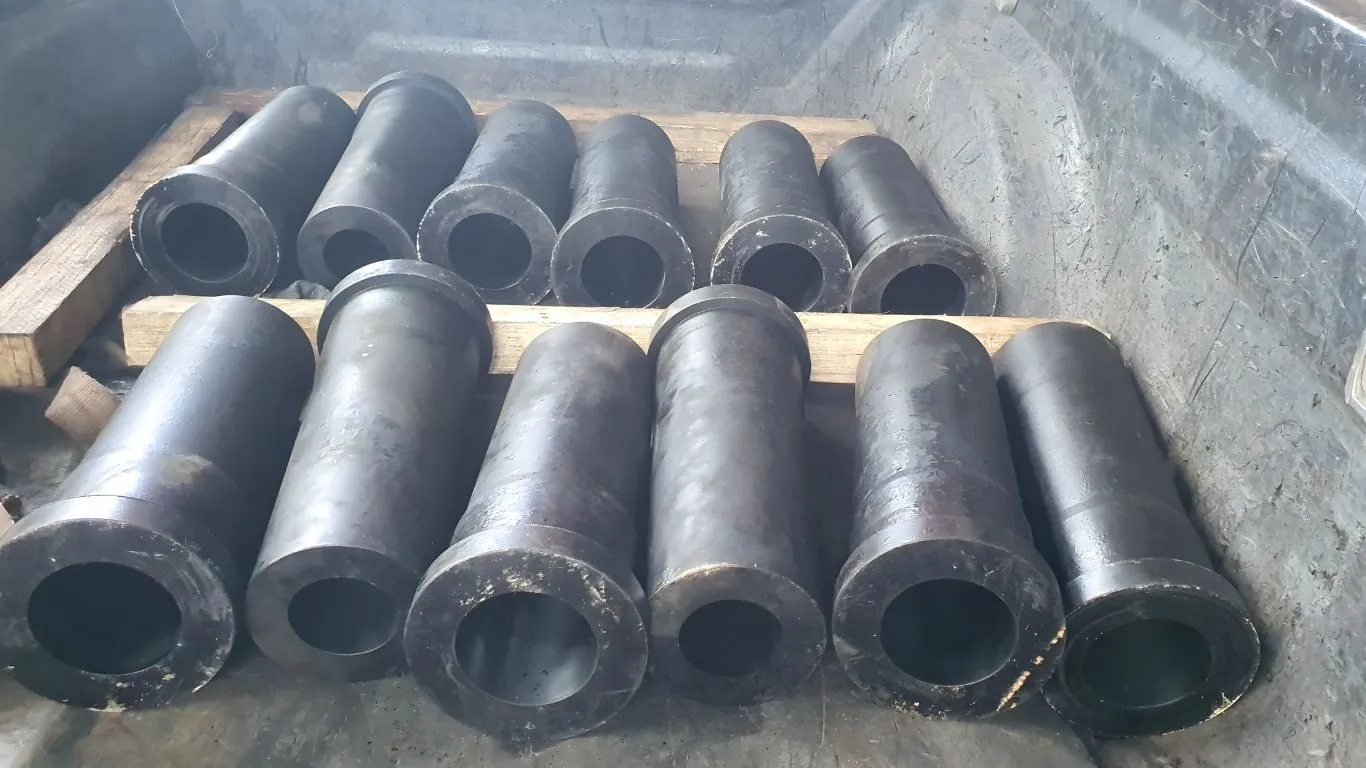
In practice, heat treatment plays a very important role in alloy steels. Specifically, alloy steels contain elements such as chromium, manganese, silicon, etc. However, without heat treatment, these elements remain inactive and have no significant effect.
Heat treatment helps “activate” their properties, enabling the steel to achieve the required hardness or strength for its intended application.
High Manganese Steel Mn13
High manganese steel Mn13 is used for components subjected to strong impact and severe wear, such as crusher hammers, excavator bucket teeth, and crusher liners. However, to fully utilize its advantages, it must be properly heat-treated according to the correct process.
Typically, the steel is heated in stages and austenitized at around 1050°C, followed by rapid water quenching. This process dissolves carbides at the grain boundaries, forming a uniform austenitic structure and improving impact toughness.
If the heat treatment process is not correctly controlled, Mn13 steel can become brittle and crack prematurely under harsh working conditions, even if its chemical composition meets the required standards.
High-Strength Steel
High-strength steels such as DP800 or TRIP800 only achieve their intended mechanical properties when properly heat-treated to form the correct microstructure (fine ferrite–martensite or stable retained austenite). If heat treatment is not carried out under the correct conditions, the steel will not achieve the designed balance between strength and ductility.
For example, 30CrMnSi steel, after quenching and tempering at around 300°C, can reach a tensile strength of approximately 1660 MPa with elongation above 10%. This allows the material to maintain both high strength and sufficient ductility, making it suitable for components operating under heavy loads and harsh working conditions.
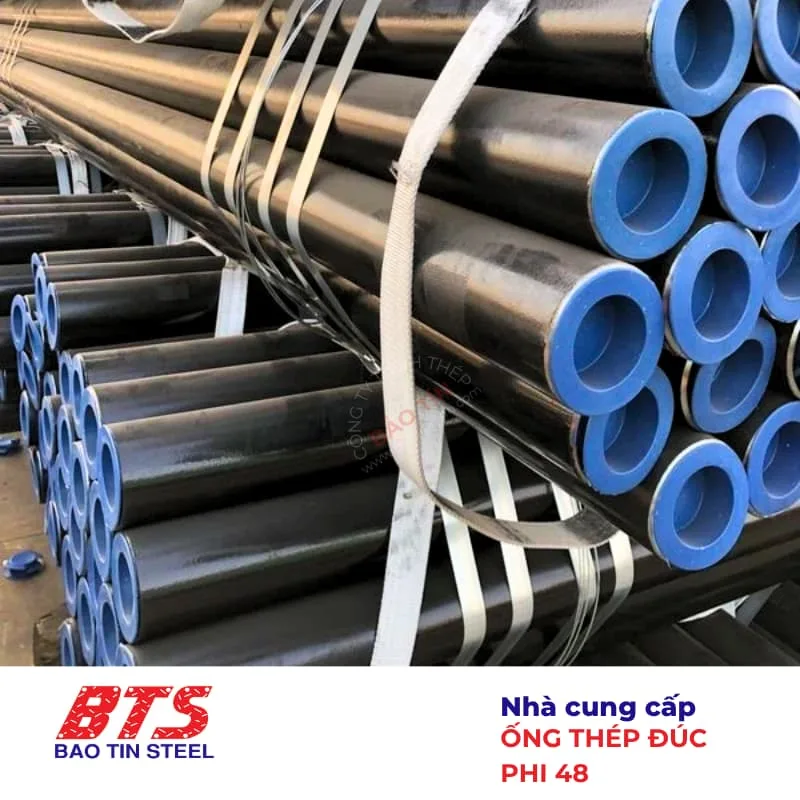
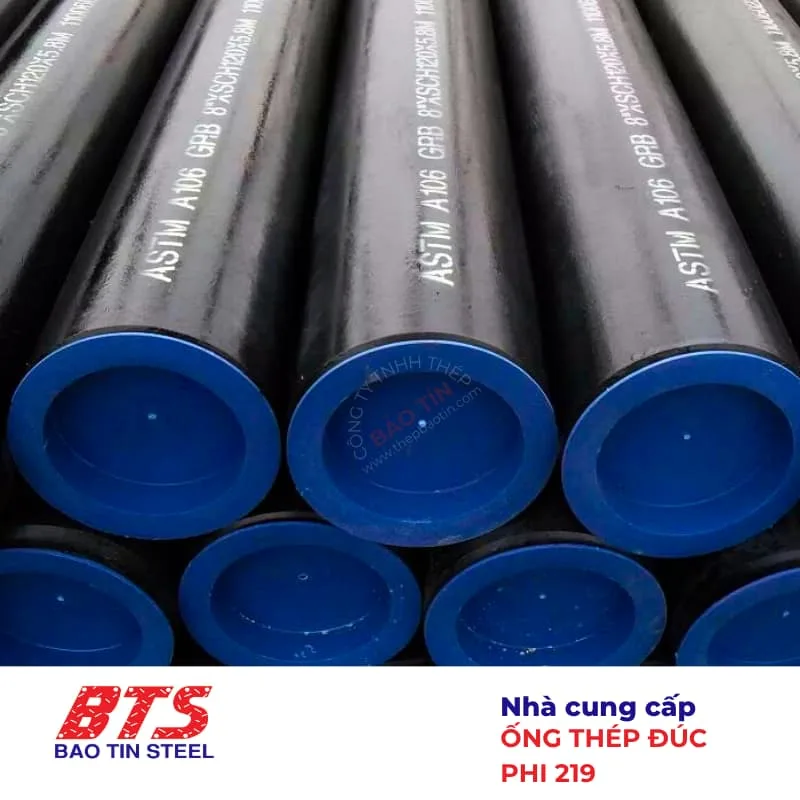
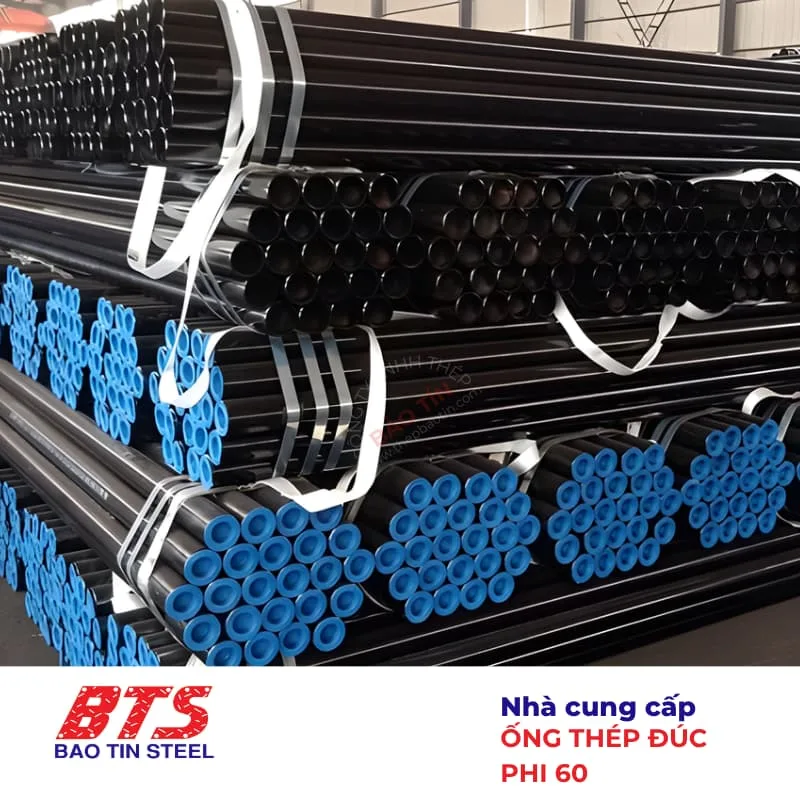
At Bao Tin Steel, seamless steel pipes are a typical example of high-strength steel products. These pipes are used in steam, oil, and fire protection (PCCC) systems, where requirements for yield strength, tensile strength, and impact toughness are extremely strict. Only pipes that meet the required technical standards are supplied to the market.
This is also why Bao Tin Steel imports seamless pipes directly from Tianjin Yuheng, a leading seamless pipe manufacturer in China. All imported products come with full CO and CQ certificates, ensuring transparency and quality assurance for customers.
For pricing or more information about Tianjin Yuheng seamless pipes, please contact: 0932 059 176
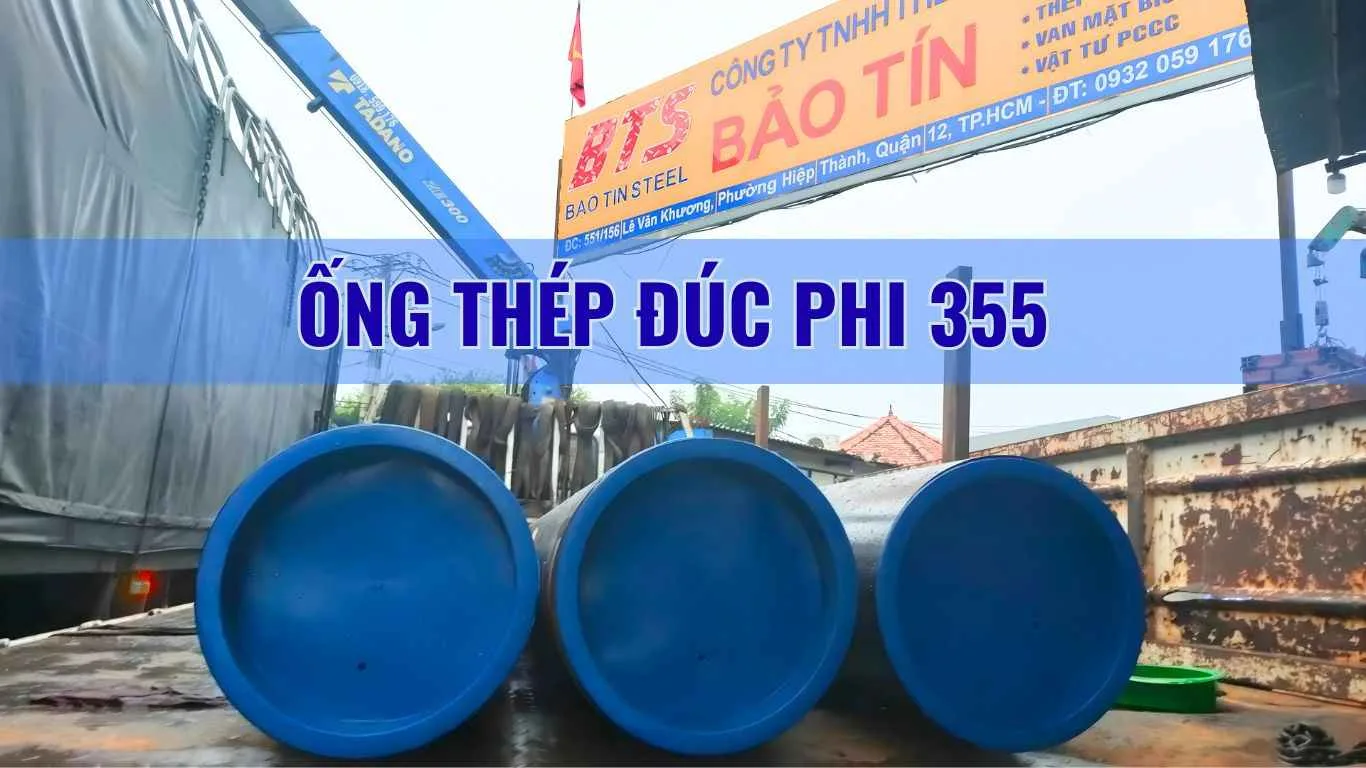
Some Seamless Steel Pipe Products Distributed by Bao Tin Steel
SKD11 and SKD61 Tool Steel
With SKD11 (cold work die steel), heat treatment helps achieve very high hardness and improves wear resistance. After proper quenching and tempering, molds and cutting tools become more durable at the cutting edge, less prone to chipping, and operate more stably. If heat treatment is not performed correctly, the steel can become brittle or fail quickly, even if the chemical composition meets the standard.
With SKD61 (hot work die steel), heat treatment improves high-temperature strength and resistance to thermal shock cracking. As a result, aluminum die-casting molds or hot forging dies can operate for long periods without early cracking or failure.
Conclusion
Metal heat treatment is not only a technical step in steel production but also a key factor that determines the actual quality of the material. By properly controlling heating and cooling conditions, steel can achieve the required hardness, strength, toughness, and wear resistance suitable for each specific application.
In industrial steel products—especially high-pressure pipes, die steels, and high-strength alloy steels—heat treatment is the process that ensures the material is not only “chemically correct” but also “functionally reliable in real operation.”
Applying proper heat treatment techniques improves safety, extends service life, and enhances the overall economic efficiency of structures and equipment.