

 Tiếng Việt
 ភាសាខ្មែរ
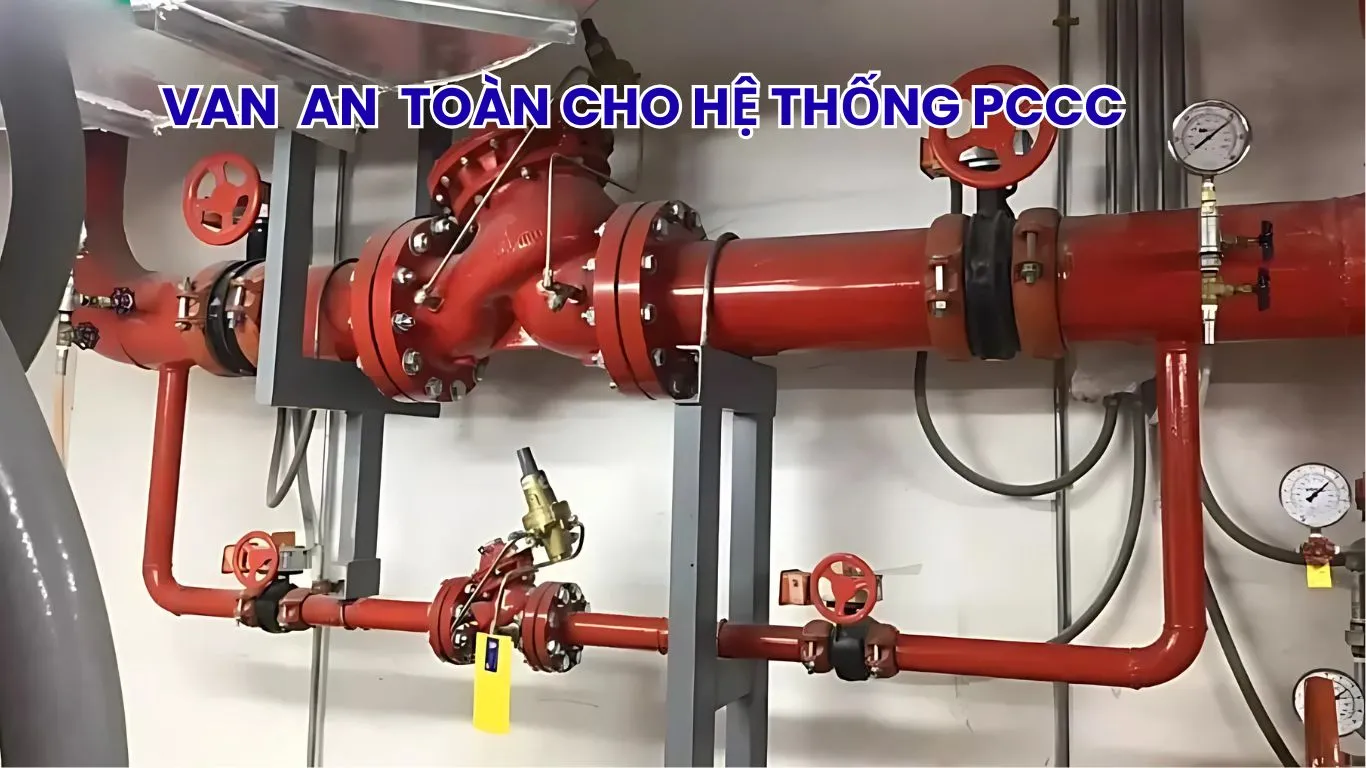
A fire protection safety valve is a critical component in high-pressure firefighting systems such as booster pumps, pressure tanks, sprinkler networks, and fire hydrants. Its main function is to release pressure promptly when it exceeds the allowable limit in the piping system. This helps protect essential components like pumps, pipelines, and fire hoses from damage due to overpressure.
In this article, Bao Tin Steel will guide you through everything you need to know about safety valves in fire protection systems — from their real-world applications, structure, and working principle, to how to select and install them properly according to safety standards.
If you’re planning to install this type of valve, don’t miss the essential information below!
What is a fire safety valve?
The fire protection safety valve is a specialized device in fire protection systems. Its function is to automatically release pressure when the pressure in the pipeline exceeds the allowable limit. In the event of an incident or abnormal pressure fluctuations, the valve will open to discharge excess pressure. This helps protect the system from the risk of pipe rupture, equipment damage, or even explosions.
This type of valve is typically installed in critical locations such as pipelines after the booster pump, pressure tanks, automatic sprinkler systems, fire hydrants, and wall-mounted fire hose reels. Compared to safety valves used in domestic pumps, water heaters, or household water systems, fire protection safety valves offer several notable advantages:
- Designed to withstand high pressure, with quick and stable response in emergencies.
- Constructed from durable materials such as brass, stainless steel, or epoxy-coated cast iron. These materials offer excellent resistance to corrosion, high temperatures, and pressure, making them suitable for the harsh operating conditions of fire protection systems.
- Some models are equipped with a manual release lever for periodic testing and maintenance checks.
Structure and Operating Principle of a Fire Protection Safety Valve
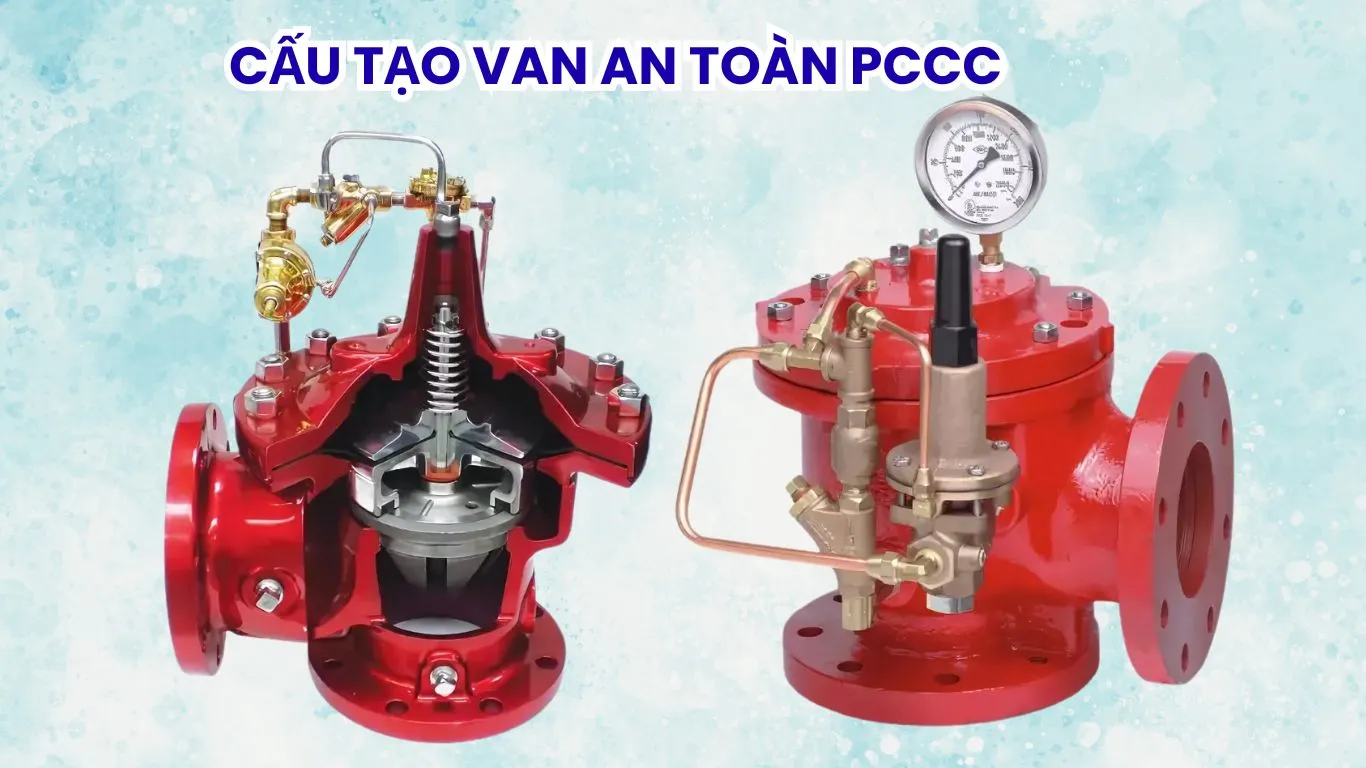
Basic Structure
The fire protection safety valve has a simple yet optimised design for high-pressure environments. Its main components are similar to those of standard safety valves:
- Valve body: Houses all internal mechanisms; typically made of cast iron, stainless steel, or brass.
- Compression spring: Provides the force to keep the valve disc closed; usually adjustable.
- Valve disc: Blocks the flow under normal conditions and opens when pressure exceeds the set limit.
- Pressure adjustment screw: Used to adjust the spring tension, thereby setting the valve’s opening pressure.
- Discharge outlet: Releases the medium when the valve opens, instantly relieving pressure from the system.
Operating Principle
The valve remains closed under normal operating conditions. When the system pressure exceeds the preset limit, the force from the water or gas flow overcomes the spring tension, causing the valve disc to lift and release pressure through the discharge outlet. Once the pressure drops back to a safe level, the spring automatically pushes the disc back to its original position, closing the valve without manual intervention.
🔥🔥 Check out some fire safety valves available at Thép Bảo Tín!
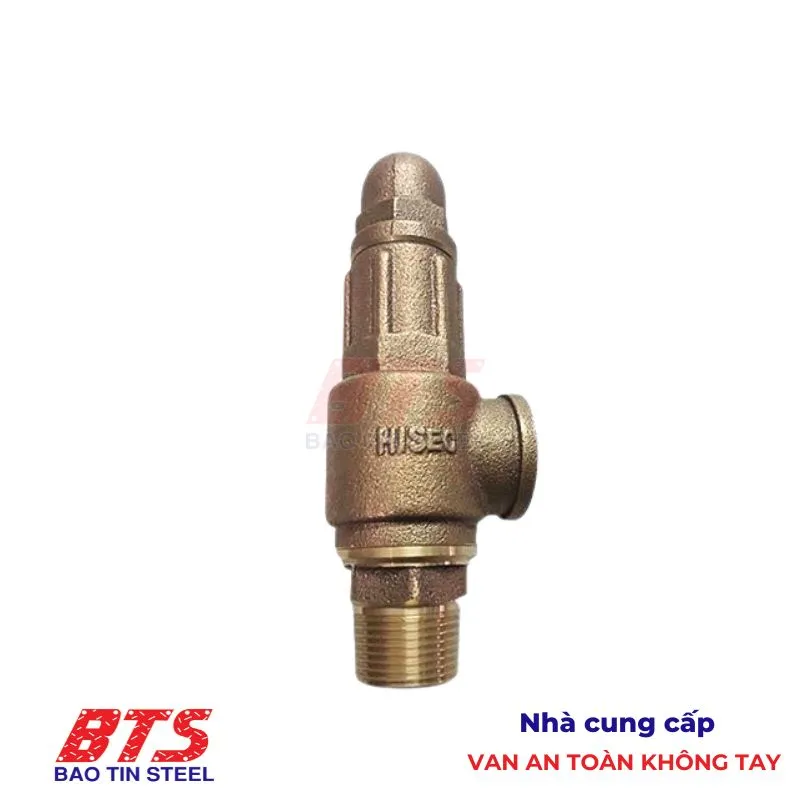
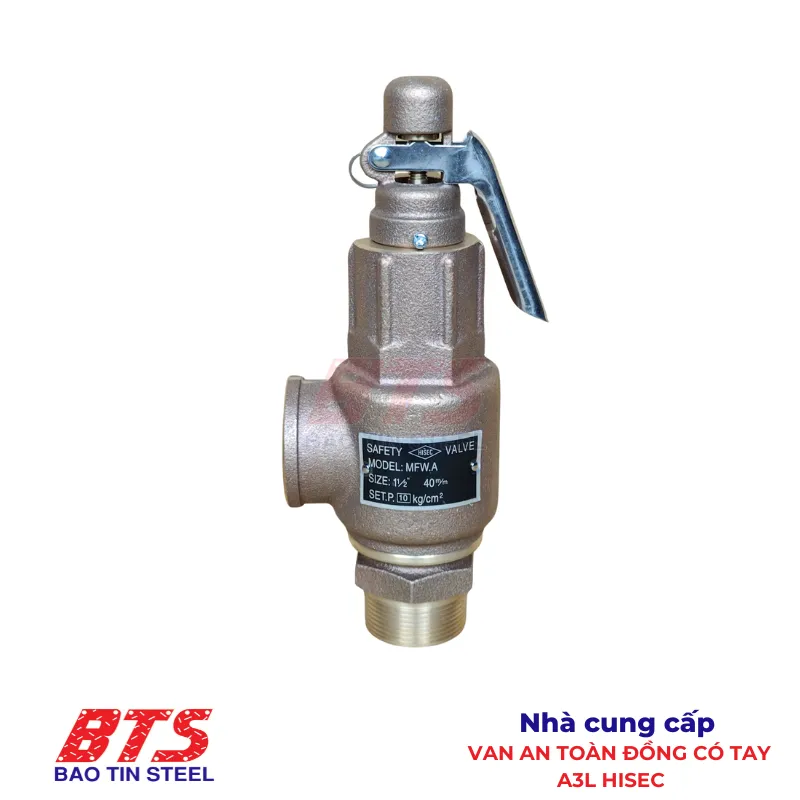
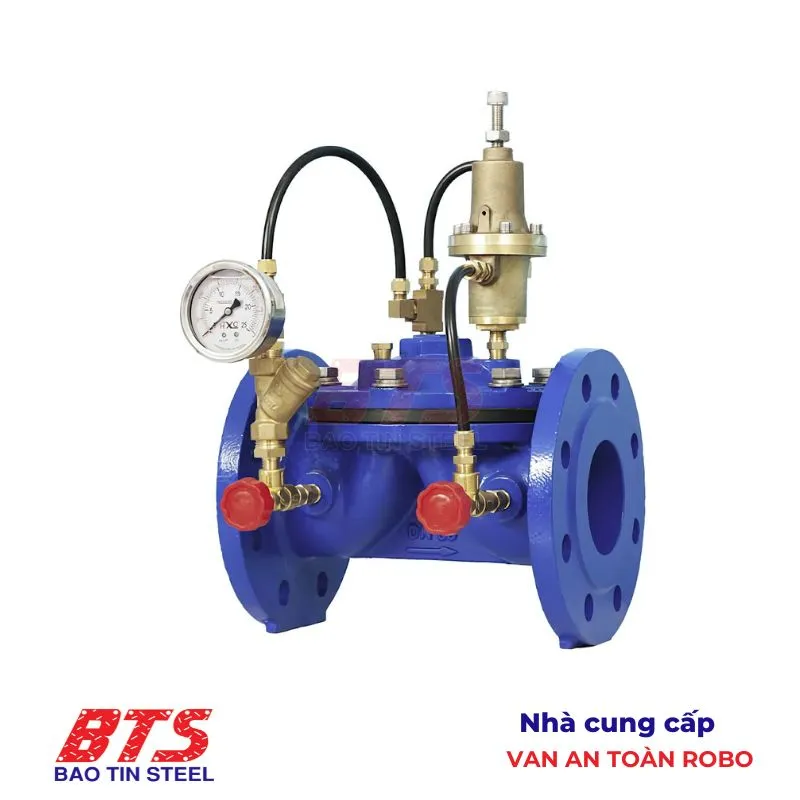
The ROBO safety valve, available in a wide range of sizes from DN50 to DN300, ensures stable operation of your system. It provides high safety and long service life, making it a reliable choice for demanding industrial applications.
Installation Locations of Safety Valves in Fire Protection Systems
Depending on the system design and working pressure, fire protection safety valves are installed at points where the risk of overpressure is high, in order to ensure overall system safety. Below are the most common installation locations:
- On the fire pump system: Safety valves are typically installed after the main pump or booster pump, directly on the discharge pipe. The purpose is to protect the pump from pressure overload, especially when the system is closed or if there is a valve malfunction at the outlet.
- On the pressure tank (accumulator): In systems equipped with hydraulic pressure tanks, the safety valve is installed directly on the tank or near the outlet port. It helps release pressure when the water inside the tank expands, preventing tank rupture or leaks caused by sudden pressure spikes.
- On the automatic sprinkler system: The valve is positioned on the main pipeline or branches supplying water to the sprinkler heads. Its function is to prevent pressure in the pipes from exceeding safe limits, avoiding pipe bursts or inaccuracies when the sprinkler heads activate.
- On fire valve assemblies, hydrants, and wall-mounted hose reels: Installed on water supply valve clusters such as outdoor hydrants or indoor fire hose cabinets, the valve protects pipes and valves from abnormal pressure during operation, inspection, or periodic pressure testing.
Guide to Choosing the Right Fire Protection Safety Valve
Selecting the correct fire protection safety valve not only ensures efficient system operation but also guarantees compliance with safety standards during installation and operation. Here are four important criteria to consider when making your choice:
Based on Working Pressure
Each fire protection system is designed with a specific pressure level. Therefore, the safety valve must be selected according to the correct operating pressure threshold:
- Standard systems typically use safety valves rated at 7 bar or 10 bar.
- Specialised systems (such as pneumatic fire suppression or high-capacity pumps) may require valves rated for higher pressures, like 12 bar, 16 bar, or other values depending on the specific design.
Note: Always select a valve with an opening pressure that is equal to or lower than the system’s maximum design pressure.
Based on Medium
Fire protection safety valves are not only used for water but also for other media, such as:
- Clean water: The most commonly used medium in sprinkler systems and fire hydrants.
- Foam solution (firefighting foam): Requires corrosion-resistant materials and designs that minimise clogging.
- Fire suppression gases (CO₂, N₂, FM-200): Requires valves that are tightly sealed and highly sensitive, commonly used in clean agent systems, storage rooms, and data centres.
Choosing the appropriate valve for the type of medium ensures durability, tight sealing, and effective pressure relief.
Based on Material
Depending on the installation environment and system type, you should consider choosing the appropriate valve material:
- Stainless Steel 304/316: Offers excellent corrosion resistance, suitable for clean water systems, harsh environments, or outdoor installations.
- Epoxy-Coated Cast Iron: Commonly used in standard fire protection systems, affordable, and weather-resistant.
- Brass: Ideal for smaller valves, with high durability, stable pressure resistance, and good oxidation resistance.
Based on Connection Type
Depending on the piping and installation space, you can choose:
- Threaded connections (internal/external): Suitable for smaller pipes, easy to install and maintain.
- Flanged connections: Suitable for large-diameter pipes and high-pressure systems; should be selected according to standards such as BS, JIS, or ANSI depending on design requirements.
Note: Ensure the valve’s connection standard is compatible with the existing piping system to avoid structural modifications.
Important Notes for Installation and Maintenance of Fire Protection Safety Valves
To ensure that fire protection safety valves perform optimally within the fire protection system, it is essential to follow certain key principles during installation and maintenance. Below are some important points to pay special attention to:
Do Not Install Against the Flow Direction
The valve body always has an arrow indicating the flow direction. Installing the valve in the wrong direction will prevent it from opening when pressure needs to be released, compromising its protective function and potentially damaging the equipment.
✅ See also: How to install a boiler safety valve
Do Not Block the Discharge Outlet
The discharge outlet of the safety valve must be kept clear or connected to a safe discharge point. Under no circumstances should it be sealed or fitted with a shut-off valve. Blocking the outlet will prevent pressure from being released when necessary, posing a danger to the entire system.
Install in an Accessible Location
The valve should be installed in a location that is easy to observe and operate, avoiding hidden, high, or hard-to-reach places. This facilitates regular inspection, manual release testing, or replacement without disrupting the whole system.
Periodic Inspection Every 6–12 Months
Safety valves need to be inspected regularly, at least every 6 to 12 months, depending on usage frequency and working environment. The inspection should include:
- External condition of the valve (leaks, rust, cracks)
- Accuracy of the set pressure
- Responsiveness and quickness in opening/closing
- Manual discharge testing if the valve is equipped with a lever
Some safety valves come with a manual lever, allowing users to manually test the discharge to ensure the valve is not stuck. Regular manual testing helps detect early faults or debris buildup inside the valve.
Understanding and selecting the right type of fire protection safety valve is crucial for your fire protection system. If you need to purchase or require more information about fire protection safety valves, contact Bao Tin Steel now – Hotline: 0932 059 176!