

 Tiếng Việt
 ភាសាខ្មែរ
Plastic ball valves are essential components for efficiently controlling the flow of fluids, being lightweight and durable. These valves are widely used in both industrial and residential applications due to their corrosion resistance, easy installation, and cost-effectiveness. Materials such as PVC, UPVC, PPH, and HDPE are increasingly popular in water systems, chemical processing, and environmental treatment. However, each material offers unique features and applications, which may cause some confusion for users when choosing the right valve.
In this article, we will provide a detailed guide on plastic ball valves. We will cover their construction, classification based on materials, and practical applications, helping you make an informed decision for your system.
What is a plastic ball valve?
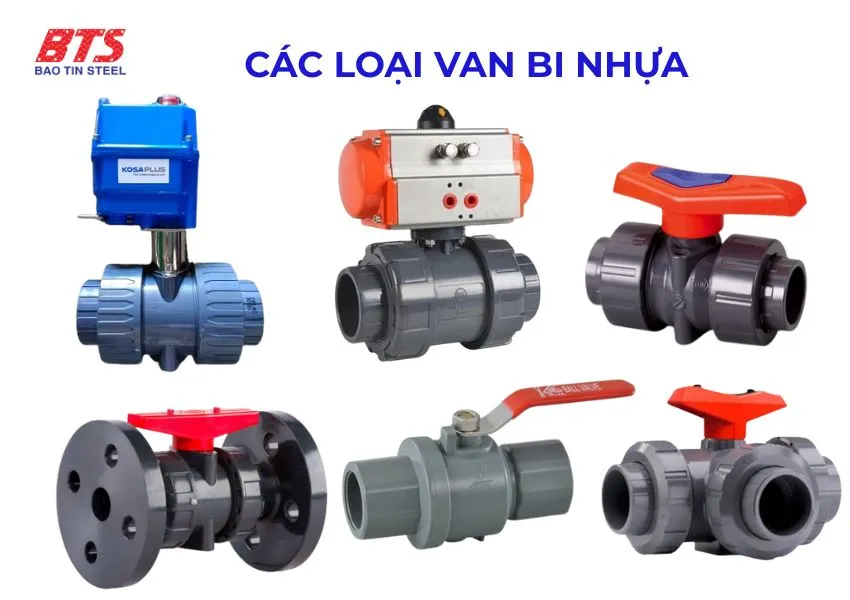
A plastic ball valve is a type of valve used to control the flow of liquids or gases by rotating a ball with a hollow center located inside the valve body. Unlike metal valves, the entire body and main components of plastic ball valves are made from engineered plastics such as PVC, UPVC, PPH, or HDPE. These materials are selected based on the specific application and operating environment.
This type of industrial valve operates based on the principle of a hand lever or hand wheel rotating 90 degrees, allowing for quick, smooth, and precise opening/closing of the flow.
The general structure and operating principle of a plastic ball valve.
Basic structure of a plastic ball valve.
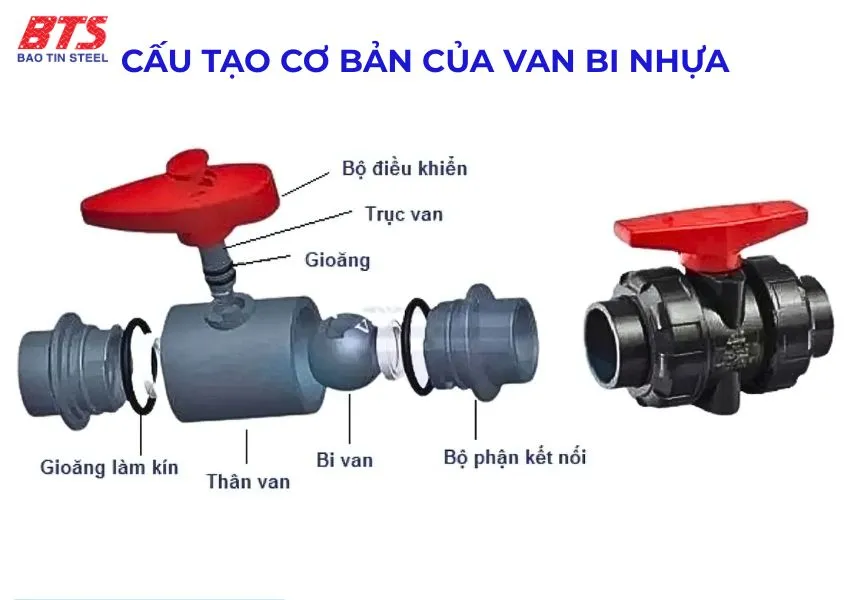
The plastic ball valve is designed quite simply but effectively, consisting of the following main components:
-
Valve body: The outer casing that protects all the internal components. The valve body is typically designed in two or three pieces, making it easy to assemble, disassemble, and maintain.
-
Ball valve (ball disk): A hollow sphere with a central hole inside, which regulates the flow. When the ball rotates, the hole opens or closes, controlling the flow direction.
-
Valve stem: Connects from the external handle down to the ball valve, transmitting force during operation.
-
Sealing gasket/seat: Made from materials such as EPDM, PTFE (Teflon), or FKM (Viton), its primary role is to ensure a tight seal, prevent leakage, and resist chemicals.
-
Lever/handwheel: The manual control part that allows the user to open or close the valve quickly. Additionally, the valve can be fitted with pneumatic or electric actuators for automation.
Operating principle:
The plastic ball valve operates based on a very simple but effective principle: controlling the flow by rotating a ball with a hollow centre inside the valve body by 90 degrees.
When the lever (or automatic actuator) is turned to align the hole of the ball parallel to the pipe, the valve is fully open. At this point, the fluid can flow smoothly through the valve without any obstruction. This creates full flow and minimises pressure loss. On the other hand, when you turn the lever 90 degrees to position the ball hole perpendicular to the pipe, the valve immediately closes completely, blocking the flow.
With this design, the valve can open/close quickly without hindering the flow rate. At the same time, it ensures a high level of sealing and is easy to operate, even in low to medium pressure environments.
👉👉 You can find more information about other types of ball valves made from different materials that are distributed by Bao Tin Steel.
Classification, characteristics and detailed applications of plastic ball valves
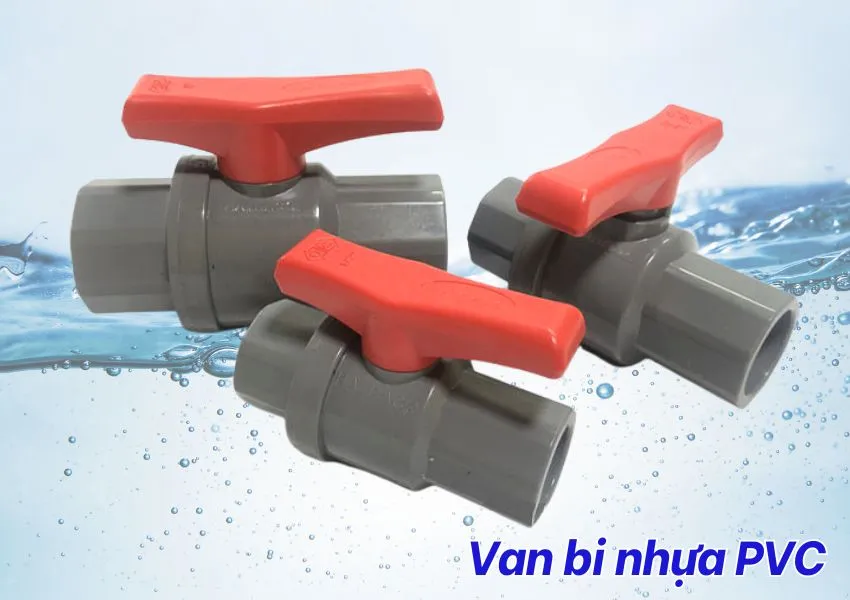
PVC Plastic Ball Valve (Polyvinyl Chloride)
-
Characteristics: The most common type, low cost, and can withstand moderate pressure.
-
Advantages: Affordable, lightweight, easy to install, and has good corrosion resistance to dilute chemicals.
-
Disadvantages: Poor heat resistance (below 60°C), brittle when exposed to long-term UV rays.
-
Applications: Potable water supply, irrigation, swimming pools, aquaculture, and handling mild chemicals.
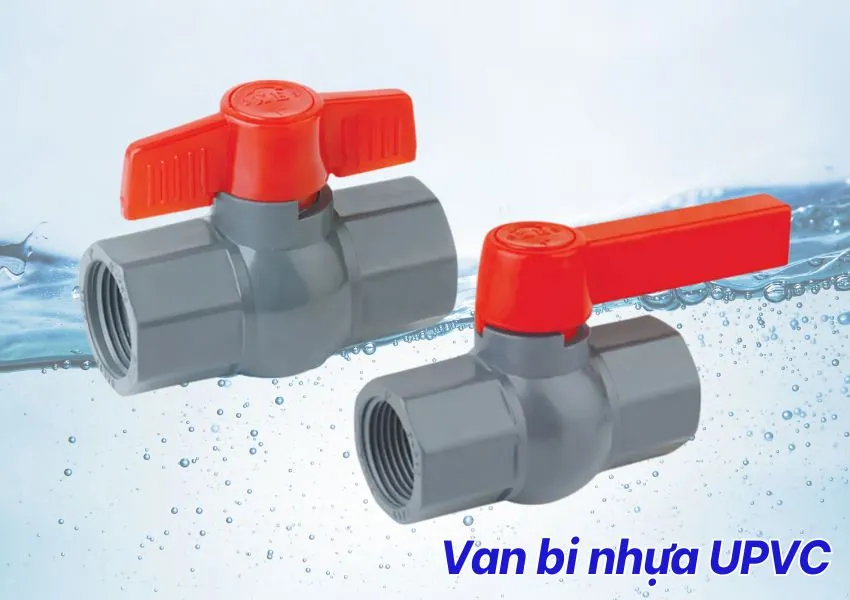
UPVC Plastic Ball Valve (Unplasticized Polyvinyl Chloride)
-
Characteristics: No plasticisers are added, making it stiffer and more durable than PVC, with better pressure and heat resistance.
-
Advantages: Effectively resistant to chemical corrosion, good UV resistance, and can be used at temperatures between 60°C and 70°C.
-
Disadvantages: Still has temperature limitations, more brittle than PVC at low temperatures.
-
Applications: Industrial wastewater treatment systems, clean water supply, electroplating, and food processing.
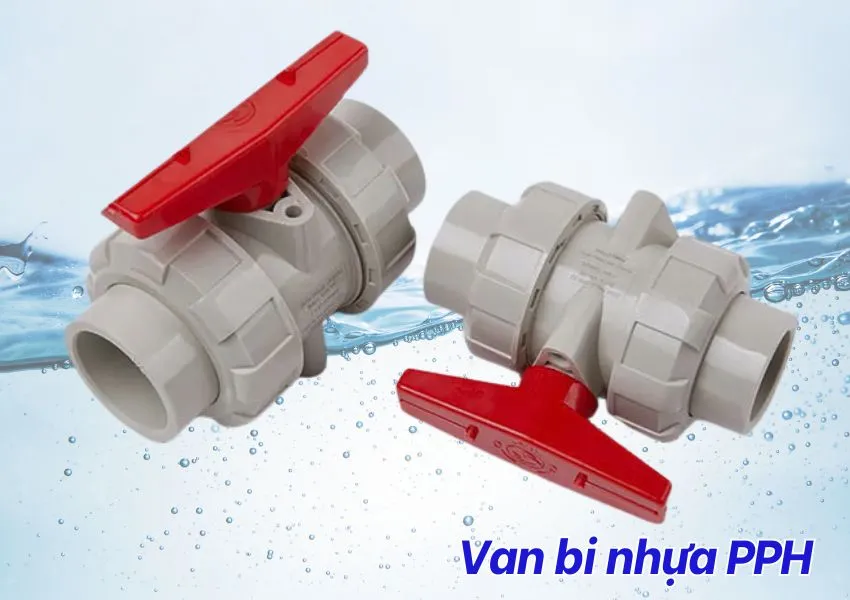
PPH Plastic Ball Valve (Polypropylene Homopolymer)
-
Characteristics: This type of polypropylene offers high heat and chemical resistance.
-
Advantages: Excellent resistance to acids, alkalis, and organic solvents; can withstand temperatures up to 90-100°C; lightweight and durable.
-
Disadvantages: Higher cost; not suitable for strong oxidising agents.
-
Applications: Chemical industry, pharmaceuticals, industrial water treatment, and wastewater systems.
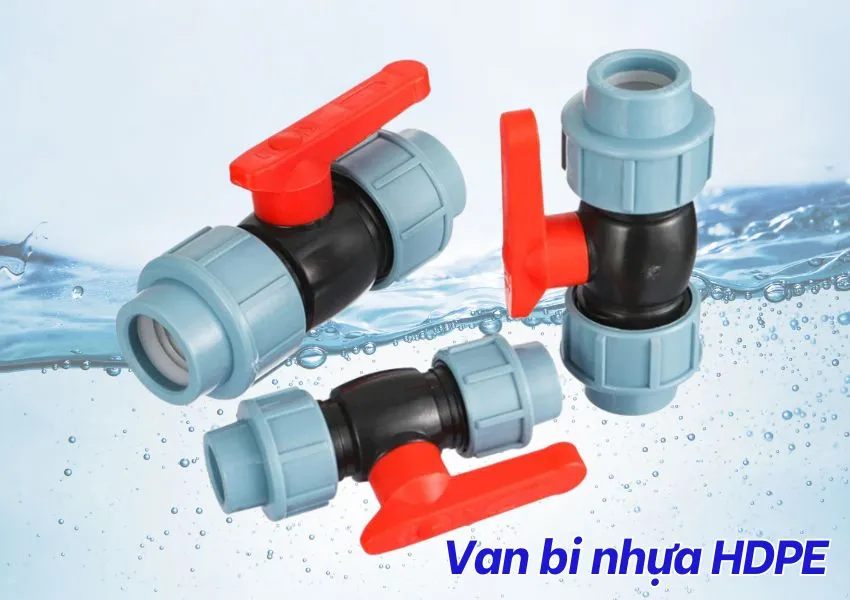
HDPE Plastic Ball Valve (High-Density Polyethene)
-
Characteristics: High-density plastic, known for its flexibility and impact resistance.
-
Advantages: Tough, excellent resistance to impact and abrasion, good resistance to mild chemicals, good cold resistance, and easy to weld thermally.
-
Disadvantages: Lower temperature limit than PPH (below 80°C), prone to deformation at high temperatures.
-
Applications: Urban water supply, mining, sludge treatment, irrigation, and underground applications.
👉👉 You can refer to a few other valve types available at Bao Tin Steel.

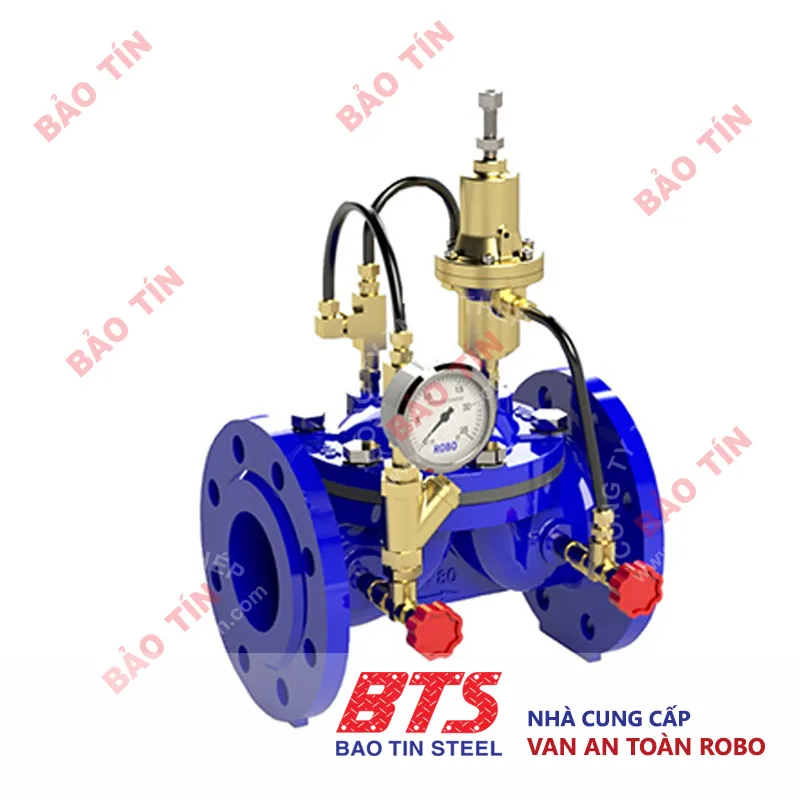
The ROBO Safety Valve with a wide range of sizes from DN50 to DN300 ensures that your system operates smoothly. It guarantees safety and a long lifespan.
Conclusion:
Plastic Ball Valves are an optimal solution for many liquid transfer systems due to their simple design, ease of operation, and superior corrosion resistance. Whether it’s PVC, UPVC, PPH, or HDPE, each type of valve has unique characteristics that suit different environments and usage needs.
Choosing the right valve not only ensures your system operates efficiently and safely but also helps significantly reduce long-term maintenance costs. We hope this article has provided you with a comprehensive and easy-to-understand overview of the structure, classification, and practical applications of plastic ball valves, helping you make the best decision for your project.
If you are looking for genuine, high-quality plastic ball valves and expert technical advice, feel free to contact trusted suppliers for the best support!
Tiger Steel is a subsidiary of Bao Tin Steel.